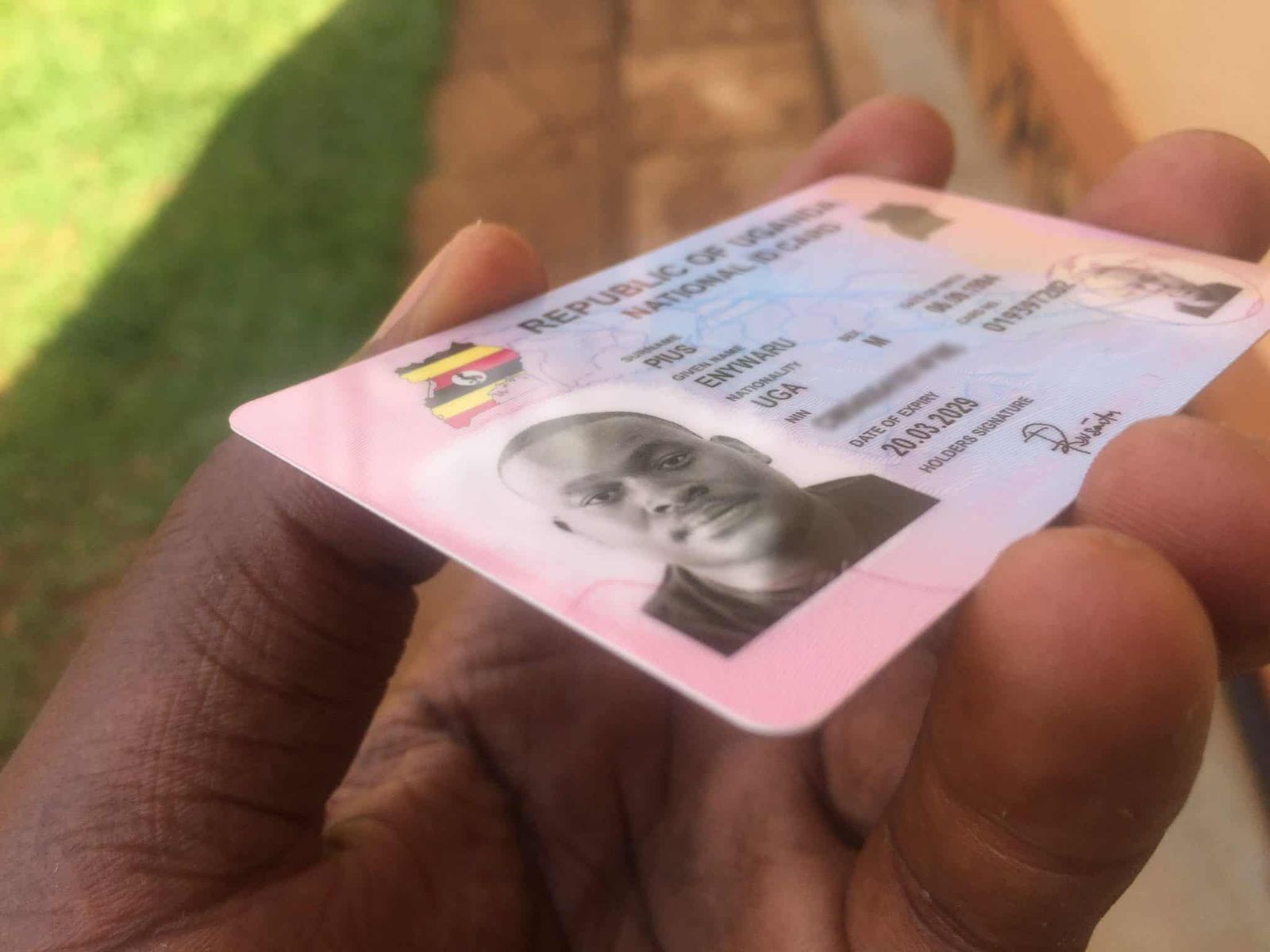


Uganda’s Cabinet has approved a shift that tax technologists have been building toward for years: the National Identification Number issued by NIRA will replace the Tax Identification Number (TIN) in taxpayer transactions. The announcement on 1 September 2026 makes official what URA systems have been moving toward since Instant TIN and the 2025 Tax Procedures Code Act changes.
This is not just a policy rebrand. It is an identity-layer change for tax administration.
ALSO READ: How Uganda’s telecom industry has steadily picked up interoperability

Two numbers, two databases, one problem
For years, Uganda ran two identity systems in parallel. NIRA issued the NIN through the National Identification Register. URA issued a separate 10-digit TIN. That split created duplicate records, outdated contacts, and gaps that made it harder to match a person to income, property, or business activity.
Cabinet’s stated goal is a single consistent identity for every taxpayer. In practice that means NIRA becomes the source of truth for who a person is, and URA uses that identity as the tax key.
How NIRA already talks to URA
The integration is not starting from zero. URA’s Instant TIN service already pulls identity data from NIRA through an API. A citizen enters a NIN and date of birth. URA sends a request. NIRA returns biodata. If the match is valid, registration can complete online instead of taking days.
Research on that interface found three important system effects:
- Faster onboarding for individuals who already have a national ID.
- Fewer duplicate TINs for people.
- Cleaner phone and email records in some cases, though sector classification got worse because the interface did not force high-quality business data.
The current design is mostly a pull model. URA asks NIRA for data when a registration event happens. It is not yet a full live two-way sync. If a citizen updates details at NIRA later, URA does not automatically receive that change. That is one of the technical gaps Cabinet’s “single identity” language will eventually have to close.
UGHub is the bigger pipe
The government integration layer behind much of this is UGHub, Uganda’s digital public infrastructure for MDA-to-MDA data exchange. NIRA is one of the largest data providers on that platform. APIs, identity and access management, and an enterprise integrator sit between agencies so URA does not need a fragile one-off connection forever.
That architecture matters. Once NIN is the tax identifier, banks, land registries, licensing bodies, and EFRIS invoicing systems can theoretically resolve the same person against one number instead of reconciling TIN, NIN, and name variants by hand.
URA’s own portals and apps already accept NIN for TIN verification, Instant TIN, and account updates. USSD services such as *285# also let users check status with a NIN. The Cabinet decision pushes those interfaces from “NIN can help find your TIN” toward “NIN is the tax identity.”
What changes in the stack
Technically, the next phase is less about a new app and more about identifier primacy:
- Individual taxpayer records map to NIN.
- Non-individuals continue mapping to URSB’s Business Registration Number.
- Portal logins, returns, payment registration numbers, tax clearance, and EFRIS taxpayer profiles need to treat NIN/BRN as the canonical key.
- Existing TIN holders were already being forced to update NIN/BRN, contacts, and addresses on the URA portal. Failure blocks filings and other e-services.
EFRIS and third-party tax APIs already store a ninBrn field next to TIN. That is a clue the backend was prepared for dual identifiers. The policy now tells the rest of government to stop treating TIN as the public-facing primary key.
The hard parts
A single number only works if the source register stays current. Studies of Instant TIN noted infrequent updates from external datasets and weak validation in some fields. If NIRA records are stale, URA inherits the error. If URA cannot push corrections back, citizens get stuck in mismatch loops between banks, payroll, and tax.
Privacy is the other constraint. NIRA has long told citizens not to share NINs casually. Making NIN the tax number means more agencies, employers, banks, and service desks will request it. The integration only stays legitimate if access is logged, purpose-limited, and routed through controlled APIs rather than photocopies of national IDs.
Foreign taxpayers and people without NINs also need a defined path. The legal text still contemplates foreign TINs where Uganda has information-exchange agreements, but the Cabinet messaging was written around citizens and NIRA.
Why the tech bet is still coherent
Uganda is collapsing identity and tax into one spine: NIRA for people, URSB for entities, UGHub for exchange, URA for assessment and collection. That is the same pattern used by countries that treat national ID as the tax file number.
If the APIs move from one-way lookup to event-driven updates, the payoff is real: fewer ghost taxpayers, faster Instant TIN, better matching across land, banking, and invoicing, and less manual cleanup inside URA. If they stay as a thin pull service with stale NIRA data, Uganda will have renamed the TIN without fixing the register.
The Cabinet decision is the political lock. The engineering work is making NIN a live, trusted key across URA, not just a field on a form.


