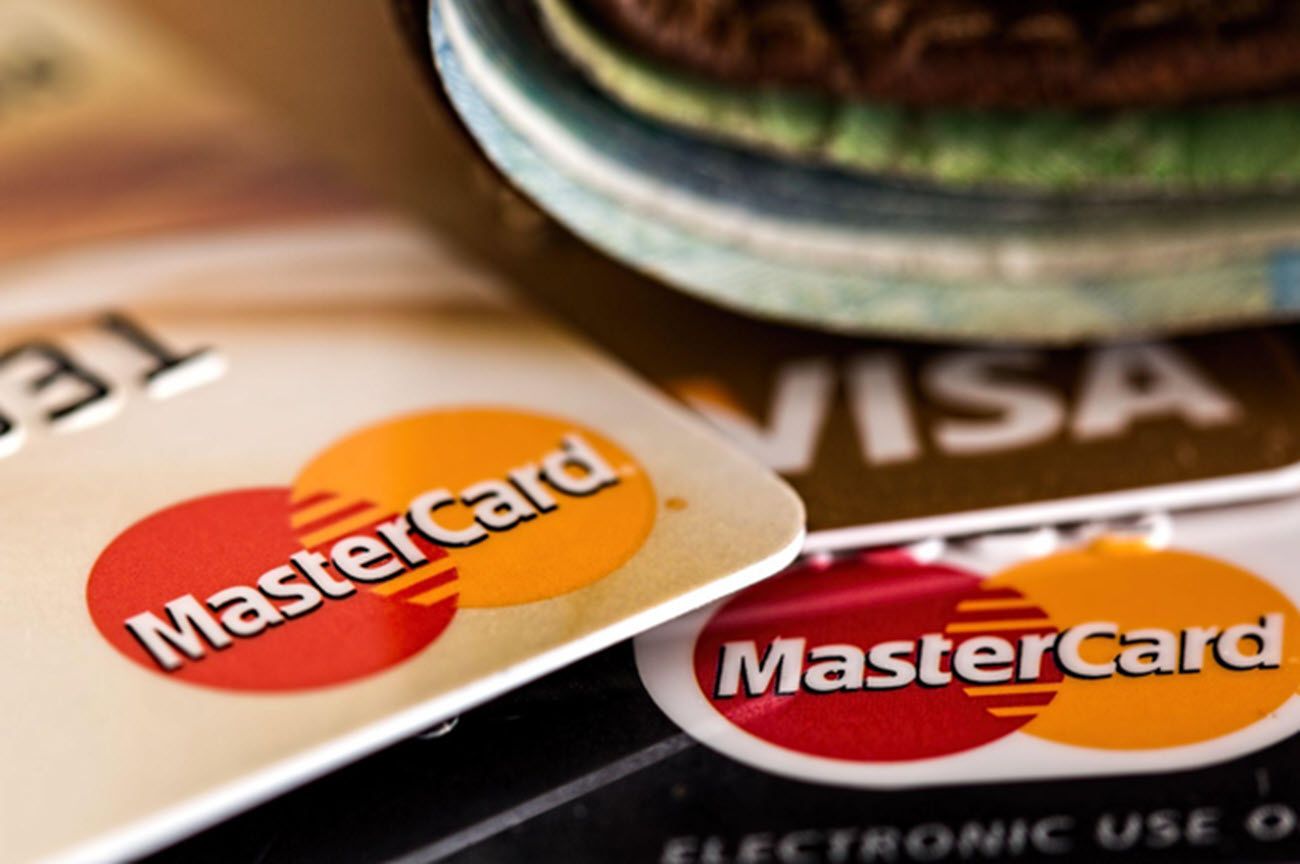


Take a look at modern betting apps, and you’ll see that they do more than just supply fixtures and markets. Behind what is obvious in the interface are payment systems, transaction records, identity checks, and security tools. Much of the technology found here can also be seen across banking and fintech.
Betting Accounts Have Become More Sophisticated
Any sportsbook will have an account that includes a balance that can be added to and withdrawn from. While it’s not a bank account, users expect that the information about their funds is clear and can be accessed with ease.
The rise of mobile banking is behind this level of expectation. People are used to being able to open an app and see their balance and activity in an instant. This means that they want the same experience with other digital services.

Different Markets Need Different Payments
Payment preferences vary in different countries. Some areas still choose card payments as the number one choice. Others move towards bank transfers, wallets, mobile money, or even crypto.
A customer wanting to bet for football might use a debit card in one market but a mobile money account in another. Both payments ultimately need to connect with the same type of sportsbook balance.
For international operators, this means that there is a real challenge. Payment providers come with different processing systems, transaction limits, and verification requirements. This means that platforms need an infrastructure that can deal with several services.
Mobile Money Has Expanded Access
Mobile money is really important in countries where traditional banking isn’t commonly used. It allows people to store, receive, and transfer funds with their mobile accounts, with no need to rely on a conventional bank.
Kenya’s M-PESA is one of the best-known examples. Launched in 2007, it developed from a money transfer service into a widely used method for purchases, bills, and other everyday transactions.
Its success demonstrates why international digital businesses need to understand local financial habits. Offering only card payments can be restrictive in countries where large numbers of consumers already rely on mobile money.
Faster Payments Have Changed Expectations
How we all look at transaction speed has changed thanks to developments in fintech. Faster bank transfers and digital wallets mean that we now expect payments to be processed at speed, and we won’t accept delays.
Sportsbook deposits generally need to update account balances quickly. Withdrawals can take longer because identity, security or regulatory checks may be required before funds are released.
Processing times also depend on the payment method. Cards, bank transfers, digital wallets and mobile money use different financial networks, so transactions don’t necessarily move at identical speeds.
One System Can Support Many Sports
Payment infrastructure supports the whole sportsbook rather than being targeted at individual sports. Once funds have been deposited and reached an account, the balance can be used across different sports, events, and markets.
This means esports betting online can use the same payment system as football, tennis or basketball. The competitions are different, but the financial processes behind deposits, withdrawals and account balances remain the same.
This way of working means that platforms are able to expand more easily. When it comes to adding another sport, there is no need to explore a new cashier or payment system. That’s because the new markets can connect with the existing account infrastructure.
Verification Is Increasingly Digital
Identity verification is hugely important and is another area where there is an overlap with fintech. Operators that can be trusted are regulated, and this means that they have to take steps to confirm customer details before they can make financial transactions on the platform.
Smartphones have simplified parts of this process. Documents can now be photographed using a phone camera, while digital systems can check submitted information according to the requirements applying in a particular jurisdiction.
Beyond the initial verification, there is also a need for there to be security measures in place. Two-factor authentication can be used to provide another layer of protection by requiring additional verification alongside a password. These systems operate largely behind the interface but remain an important part of handling financial transactions.
Fintech Is Becoming Part of the Sportsbook
Sports and betting markets remain the most visible parts of a sportsbook, but the technology underneath is increasingly financial. Operators need to connect accounts with banks, payment processors, digital wallets, mobile money services and verification providers.
This doesn’t turn betting apps into banks. It does mean they face some of the same technical challenges, including processing transactions accurately, supporting different payment methods, and protecting account information.
As digital finance continues to develop, betting platforms will develop alongside it. Financial technology may largely remain behind the scenes, but it has become an important part of how modern sportsbook apps operate.


