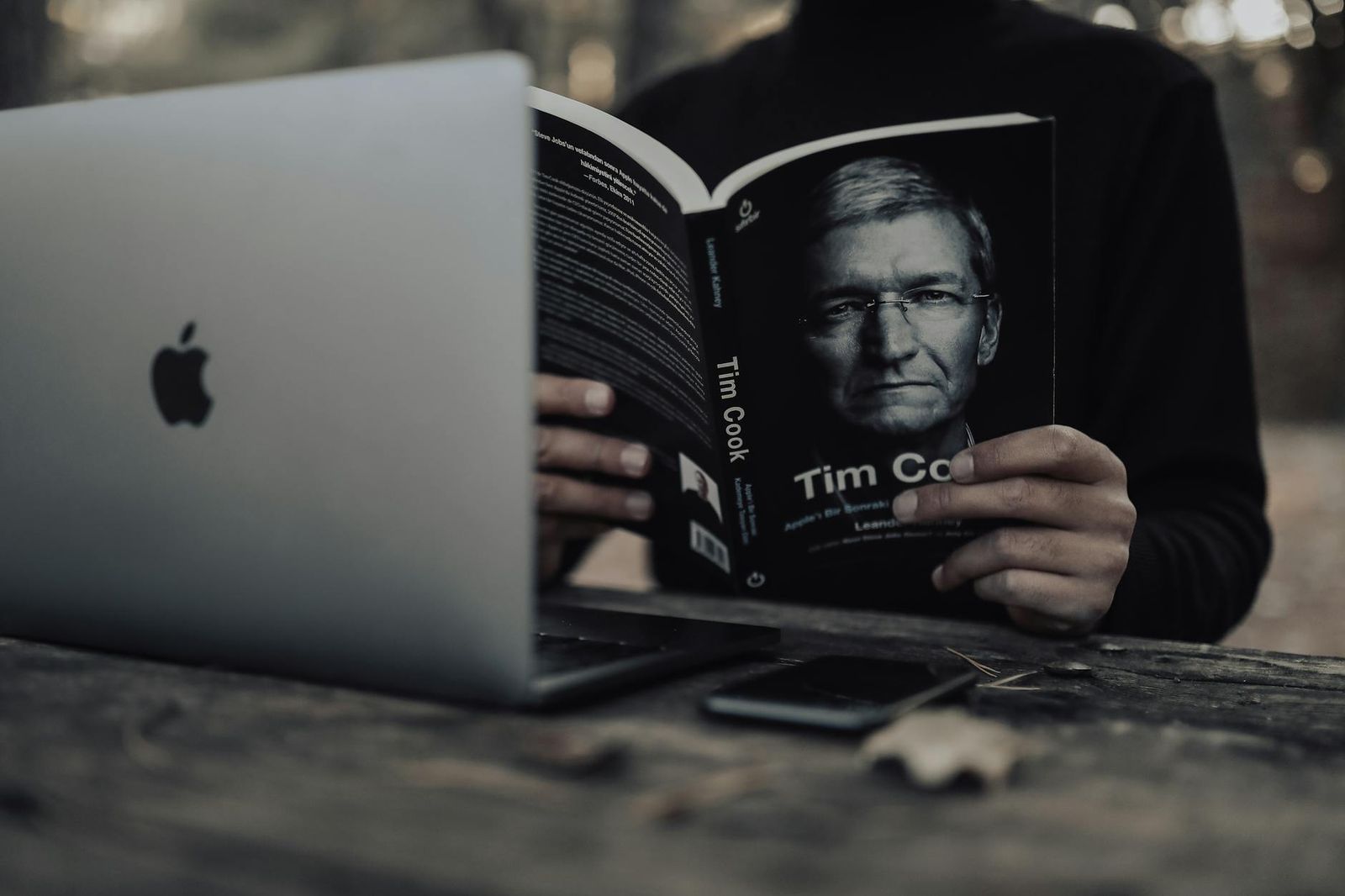


In the spring of 2011, Apple was still reeling from the loss of its mythic founder. Steve Jobs had handed the reins to a man few outside Cupertino knew by name: Tim Cook, the operations wizard who had kept the supply chains humming while Jobs conjured the next big thing. Fifteen years later, on April 20, 2026, the company announced that Cook would step down as CEO effective September 1, becoming executive chairman of the board. John Ternus, Apple’s longtime senior vice president of hardware engineering, will take the top job.
It is not a dramatic exit. There are no health scares, no boardroom coups, no late-night tweets. Just a man who turned 65 quietly, acknowledging that even legends have seasons. Cook will remain deeply involved—advising on global policy, guiding the board, and ensuring the transition feels seamless. But the day-to-day crown passes to a hardware engineer who has spent 25 years inside Apple’s machine.
The Numbers Tell One Story; the Products Tell Another.
When Cook became CEO, Apple’s market capitalization hovered around $350 billion. By the time he announced his transition, it had crossed $4 trillion—an increase of more than 1,000 percent. Annual revenue nearly quadrupled, from $108 billion in fiscal 2011 to more than $416 billion in fiscal 2025. The installed base swelled past 2.5 billion active devices. Services became a Fortune 40-sized business on their own. Apple Watch, AirPods, and Vision Pro didn’t exist when he started; today they define entire categories.

Yet the real story isn’t just growth. It’s steadiness. Cook didn’t chase trends; he built moats. He bet big on Apple-designed silicon when the industry still worshipped Intel. He turned privacy into a marketing advantage at a time when data scandals were becoming routine. He pushed the company to slash its carbon footprint by more than 60 percent even as revenue doubled. And he did it all while projecting an almost preternatural calm—an Alabama kid who grew up rural and somehow ended up running the most valuable company on Earth.
In his community letter released alongside the announcement, Cook revealed the ritual that grounded him: every morning, he read user emails. Stories of mothers saved by Apple Watch falls, of impossible selfies captured on impossible mountains, of Macs that changed careers, and frustrations when something didn’t quite work. “In every one of those emails I feel the beating heart of our shared humanity,” he wrote. “I feel a gratitude that I cannot put into words.”
That humility was never performative. Cook’s Apple was less about revolutionary leaps and more about relentless refinement—making the extraordinary feel inevitable. The iPhone didn’t vanish; it simply became better in ways people didn’t realize they needed until they had it.
The Man Who Follows: John Ternus
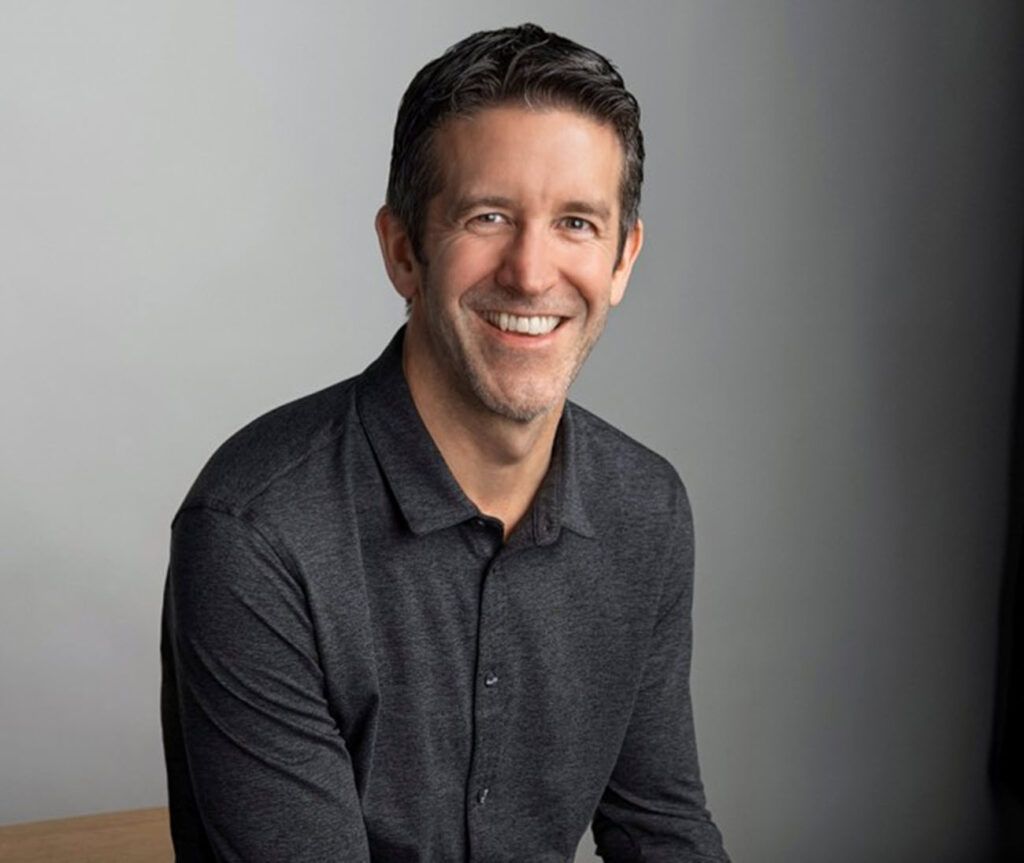
John Ternus is no outsider parachuted in to shake things up. He joined Apple’s product design team in 2001, helped birth the iPad and AirPods, and has overseen hardware engineering for more than a decade. He was instrumental in the Mac’s silicon transition, the recent ultra-thin iPhone Air, and innovations in materials that make products lighter, stronger, and greener. If Cook was the supply-chain maestro who scaled Steve Jobs’ vision, Ternus is the detail-obsessed engineer who has lived inside the product pipeline his entire adult life.
In his own statement, Ternus called Cook his mentor and promised to lead with “the values and vision that have come to define this special place for half a century.” The board, through lead independent director Arthur Levinson, echoed the sentiment: Ternus is “the best possible leader to succeed Tim.”The transition feels engineered—deliberate, years in the making, almost Apple-like in its precision.
What Changes, What Doesn’t
Apple enters the AI era with the same questions every tech giant faces: Can it move fast enough without losing what makes it Apple? Cook’s caution on generative AI drew criticism from some quarters, yet it also kept the company out of the early hallucination scandals that plagued competitors. Ternus inherits a hardware team already pushing the limits of on-device intelligence. The real test will be whether he can blend that engineering rigor with bolder software bets while preserving the privacy and ecosystem lock-in that Cook defended so fiercely.
Cook’s continued presence as executive chairman is both a comfort and a complication. It ensures continuity—relationships with world leaders, supply-chain mastery, and the institutional memory of 15 years at the top. But it also raises the eternal question: How does a successor truly lead when the legend is still in the building?
History offers mixed lessons. Jeff Bezos stayed on as executive chairman at Amazon; Reed Hastings did the same at Netflix. Both companies kept growing. Apple’s own past suggests the opposite: when Jobs stepped back in 1985, the company floundered until he returned. This time, the handoff is planned, the successor homegrown, the culture arguably stronger than ever. Not GoodbyeCook ended his letter the way he ran the company: without fanfare. “This is not goodbye,” he wrote. “Thank you for the confidence and kindness you’ve shown me.”
For millions of users, the iPhone in their pocket, the Mac on their desk, the Watch on their wrist will keep working exactly as before. That, perhaps, is the highest compliment one can pay an operations genius who became one of the most consequential CEOs in history. He didn’t just build products. He built reliability at a planetary scale. The Cook era didn’t end with fireworks. It ended with the same quiet competence that defined it. And in Cupertino, that has always been the highest form of innovation.


