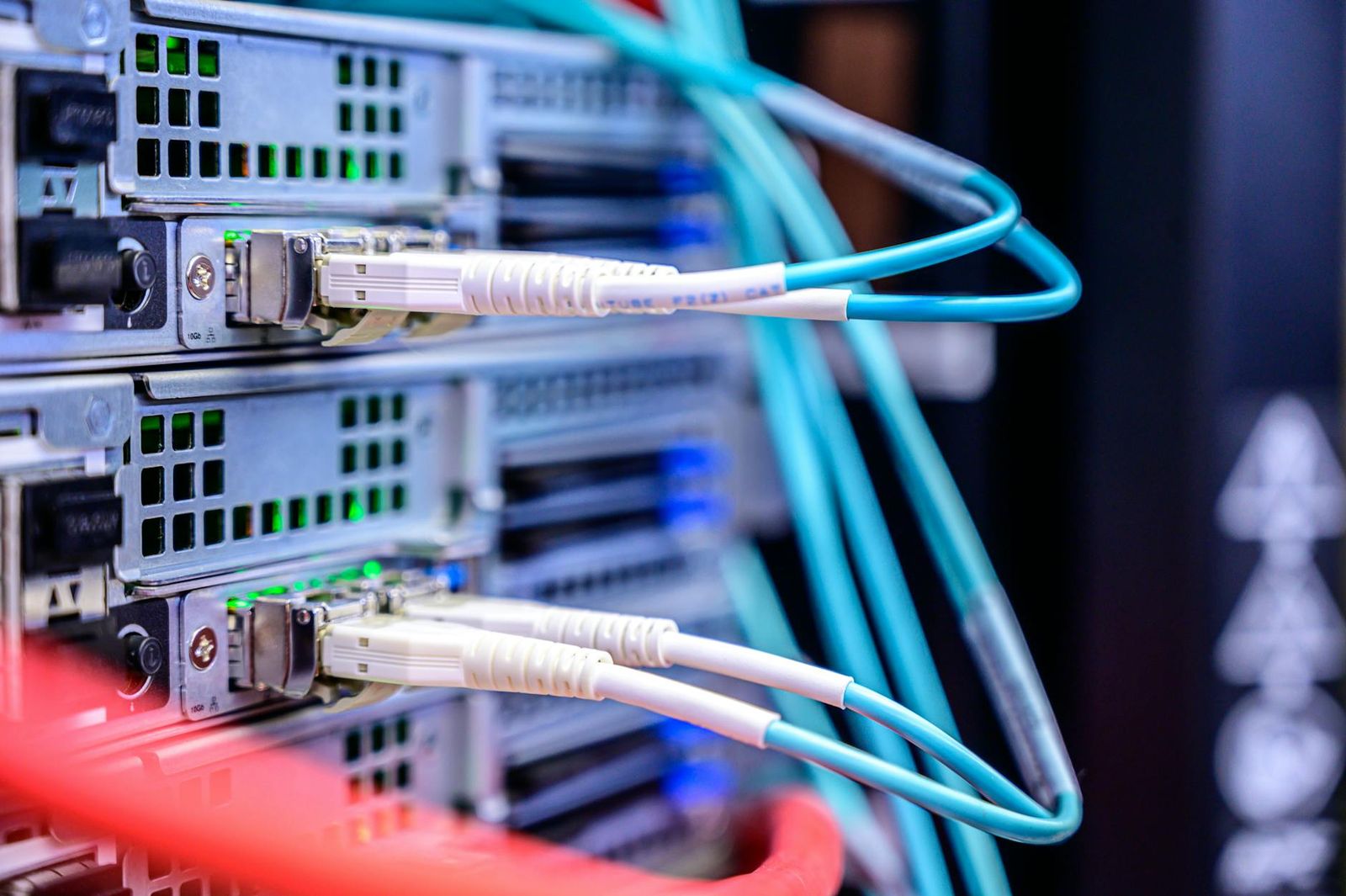


In an era where data flows faster than physical goods, Uganda faces a critical challenge: its valuable digital assets are increasingly stored and processed on foreign servers. This reality raises serious concerns around data sovereignty, compliance, security, and national control. Embracing local cloud solutions is no longer optional — it is essential for protecting Uganda’s digital future while unlocking innovation across key sectors.
Data sovereignty ensures that information generated within Uganda is governed by Ugandan laws. It safeguards sensitive data — from government records and health information to financial transactions and agricultural insights — against foreign legal jurisdictions and potential misuse.
As global cloud providers shuttle data across borders for efficiency, they often create legal uncertainty and latency issues. Local clouds solve this by keeping data physically within national borders. The result? Lower latency, full regulatory compliance, stronger national security, and greater trust in digital services.

Powering Real-World Impact: Agriculture’s Digital Transformation
Agriculture contributes over 25% of Uganda’s GDP, yet many farmers still rely on outdated methods. High-speed connectivity and secure local infrastructure are changing this dramatically.
Farmers now access real-time weather forecasts, pest alerts, crop management tools, and direct market prices through mobile platforms. Digital payments and financing have streamlined transactions, while young entrepreneurs are building agritech startups using modern farming techniques.
Reliable connectivity providers like Roke Telkom are playing a vital role in closing the urban-rural digital divide. By extending high-speed internet to rural communities, agribusinesses, and cooperatives, they enable better logistics, supply chain monitoring, and real-time information sharing.“Data sovereignty through local cloud solutions is the foundation for Uganda’s secure digital growth,” said Elijah Tumusiime, Chief Commercial Officer at Roke Telkom. “When we combine sovereign infrastructure with robust rural connectivity, we don’t just protect data — we empower farmers, businesses, and the entire economy to thrive in a connected world.”
Why Local Clouds Deliver Superior Value
- Performance: Data stored locally means faster access for Ugandan users and applications.
- Compliance & Security: Automatic adherence to local laws while reducing exposure to international data transfer risks.
- Economic Growth: Investment in local data centers creates jobs, builds technical skills, and reduces dependence on foreign providers.
- AI Readiness: Sovereign clouds allow safe development of artificial intelligence tools tailored to Ugandan needs, such as precision agriculture and predictive analytics.
While global providers offer massive scale, the local cloud sector in Africa is growing rapidly to meet sovereign requirements. The challenge lies in infrastructure investment and integration, but the rewards — innovation, security, and self-reliance — far outweigh the costs.
The Path Forward
For Uganda and its neighbors, the message is clear: proactive adoption of local cloud solutions combined with expanding connectivity is the smartest path to digital sovereignty. Policymakers, telecom operators like Roke Telkom, and the private sector must collaborate to build resilient, scalable infrastructure.
Uganda’s data doesn’t have to flee abroad. With the right local cloud strategy and strong connectivity, the country can secure its digital assets and drive transformative growth — especially in agriculture — for generations to come. The future belongs to nations that take control of their own data.


