

For years, Apple’s iPhone strategy followed a familiar rhythm: introduce a new generation of devices each year, offering consumers a choice between standard models and higher-end Pro versions.
But the smartphone market is changing.
Consumers are holding onto devices for longer, premium phones are becoming more capable, and the gap between a smartphone and professional creative tool continues to shrink.

With the iPhone 18 Pro and iPhone 18 Pro Max, Apple appears to be leaning further into that shift — focusing its latest innovations on users who want more power, better cameras and longer-lasting performance from a device that increasingly serves as a computer in their pocket.
The launch represents a different approach from previous years. Rather than releasing a complete iPhone lineup at once, Apple is placing greater emphasis on its premium models, with expectations that other versions will follow later.
The result is a generation that feels less about simply upgrading a phone and more about expanding what a smartphone can realistically replace.
A premium-first iPhone strategy
The iPhone 18 Pro and iPhone 18 Pro Max arrive as the centrepieces of Apple’s latest smartphone lineup.
The Pro model features a 6.3-inch display, while the larger Pro Max expands to 6.9 inches, continuing Apple’s strategy of offering two premium sizes for different types of users.
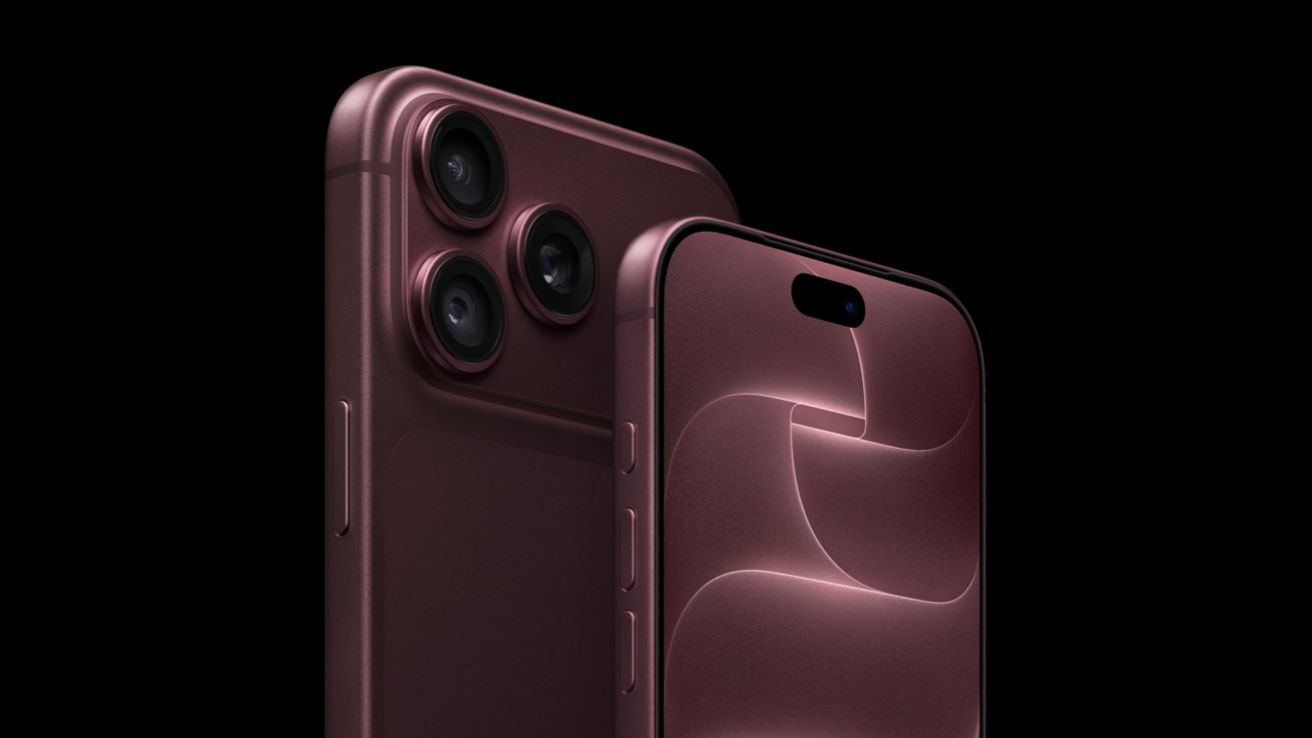
The devices introduce a refreshed design language with four colour options: Deep Black, Silver, Glacier and Burgundy.
One of the visible changes is a smaller Dynamic Island, allowing more screen space while maintaining Apple’s interactive notification and activity system.
The reduced size may appear like a minor design adjustment, but it reflects a broader industry trend: manufacturers continue to search for ways to maximise usable display area without increasing the physical size of devices.
The Pro models also highlight Apple’s belief that high-end smartphones are increasingly becoming specialist tools.
A new generation of processing power
At the heart of the iPhone 18 Pro series is Apple’s A20 Pro chip, built using a 2nm manufacturing process — a significant step forward in mobile chip technology.
Smaller chip architectures generally allow manufacturers to improve efficiency while increasing performance, and Apple is using that advantage to push both computing and artificial intelligence capabilities.
The A20 Pro delivers approximately 20% faster CPU performance, around 40% faster GPU performance and a Neural Engine that is reported to be twice as powerful.
For everyday users, those numbers translate into smoother gaming, faster video processing, better AI experiences and improved multitasking.
The devices also introduce a new vapor chamber cooling system designed to manage heat during demanding tasks.
This matters because smartphones are increasingly being used for activities that once belonged primarily to computers — from editing high-resolution videos to running advanced applications and AI-powered tools.
The iPhone 18 Pro series also includes Apple’s new C2 modem, continuing the company’s move toward greater control over its hardware ecosystem.
The camera becomes even more professional
Photography has become one of the biggest reasons consumers choose premium smartphones, and Apple continues to position the iPhone Pro range as a serious creative tool.
The iPhone 18 Pro introduces a new 48MP Fusion main camera with variable aperture, marking the first time Apple has brought this capability to the iPhone.
Variable aperture allows the camera to adjust how much light enters the lens, potentially improving low-light performance while also giving users greater control over depth of field — the effect that separates a subject from the background.
For professional photographers and content creators, this moves the iPhone closer to the flexibility traditionally associated with dedicated cameras.
The Pro camera system also gives users greater manual control, including adjustments for aperture and shutter speed.
Apple is also introducing Reference Image features designed to improve authenticity and consistency, particularly as artificial intelligence becomes increasingly involved in photography.
That balance is becoming important.
As AI-generated images become more common, consumers and creators are paying greater attention to tools that help preserve trust and authenticity in digital content.
Battery life gets a major boost
One of the biggest practical improvements comes in battery performance.
The iPhone 18 Pro Max receives what Apple describes as the largest battery increase in iPhone history, with eSIM models delivering up to 45 hours of video playback.
For users who rely heavily on their phones throughout the day — whether for work, navigation, entertainment or content creation — battery life remains one of the most important everyday considerations.
Charging speeds have also improved, with wired charging capable of reaching around 50% capacity in approximately 15 minutes under supported conditions.
While battery technology rarely receives the same attention as cameras or processors, it is often the feature users appreciate most once they experience it.
A more powerful phone is only useful if it can remain available when people need it.
A premium device in a changing market
The iPhone 18 Pro starts at $1,199 for the 256GB model, while the iPhone 18 Pro Max begins at $1,299 for 256GB. Storage options extend up to 2TB.
Pre-orders begin on September 12, with availability from September 18.
The pricing confirms the position Apple has created for the Pro range: these are not simply upgraded phones, but premium computing devices aimed at users willing to pay for the highest level of performance.
For consumers in markets such as Uganda and other emerging economies, products at this level also highlight a wider shift in smartphone culture.
The premium smartphone is no longer competing only against other phones. It is competing against cameras, laptops, gaming devices and other tools that consumers previously purchased separately.
However, premium innovation also comes with important questions.
Will users fully utilise the additional processing power? Will professional camera features appeal beyond a niche audience? Will the higher price remain justified as competition increases?
The answers will determine whether these features become essential or simply impressive additions.
What is clear is that Apple sees the future of the smartphone differently.
The iPhone 18 Pro is not just about making calls, taking pictures or browsing the internet.
It represents a broader vision of the phone as a powerful personal device — one capable of creating, working, entertaining and adapting to the increasingly digital lives people lead.
The smartphone has already replaced many everyday tools.
Apple’s latest Pro models suggest the next stage may be about replacing even more.


