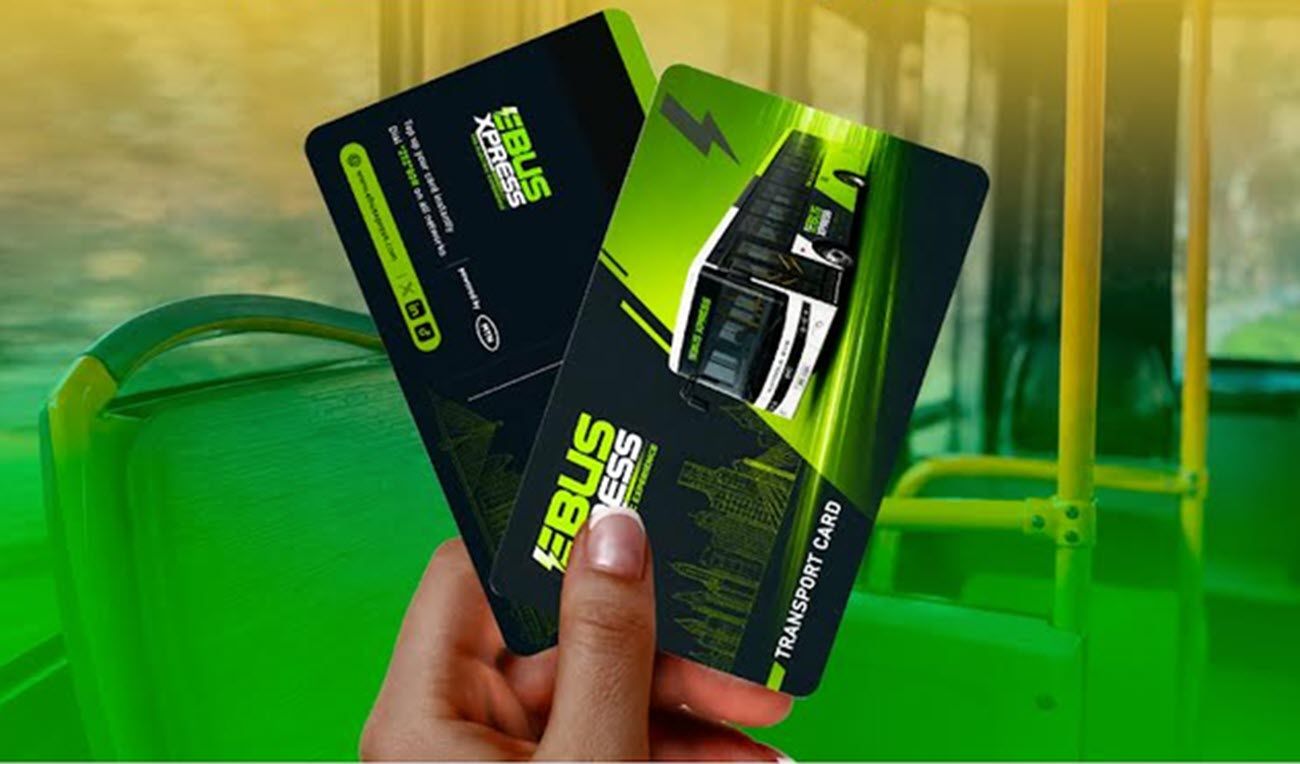


EBus Xpress is adding three routes in the Kira corridor from 28 August 2026, stretching cashless electric transit beyond the inner-city loops that already link Ntinda, Nakawa, City Square and Wandegeya — plus the longer Jinja and Iganga runs. The new lines are Ntinda–Najjera–Kira–Kitukutwe–Kiwologoma–Nakwero; Ntinda–Naalya–Kyaliwajjala–Namugongo–Sonde; and Ntinda–Kisasi–Kyanja–Kungu.
The tech stack riding with the buses is MTN Uganda’s. Passengers can buy or top up an EBus Xpress card on 27280#, or pay the fare straight from MTN MoMo on 16522#. Onboard MTN Wi-Fi is part of the same package: pay without cash, stay online while the bus moves.
That is the product, not the slogan. Electric chassis from the Kiira Motors orbit, mobile-money rails from MTN, connectivity in the cabin. Track-and-trace is in the mix too, which is how a telco sells “safer journey” without pretending it built the road.

Senyonga Ibrahim, General Manager of MTN Business Uganda, called it connectivity dropped into the daily commute — cards, live internet, and the option to scale the same model elsewhere in the country. Hon. Hajjat Minsa Kabanda, Minister for Kampala Capital City and Metropolitan Affairs, put the fleet number on the table: Kayoola electric buses in Kampala have grown from eight to 23 since the first units arrived. Jacob Byamukama, KCCA’s Deputy Director of Transport and Roads Management, flagged the unglamorous half of the stack: bus stops, depots, and the infrastructure electric routes actually need.
The partnership first showed up at National Science Week in May 2026. This Kira push is the operational sequel. For MTN, it is another move off pure airtime and into the payments layer of everyday movement. For EBus Xpress, it is three more corridors where a commuter can tap MoMo, sit down, and open a browser instead of hunting for coins.


