


As Africa’s young and digitally connected population comes of age, the payments industry is changing with it, driven by digitally savvy consumers who expect every interaction to be fast, seamless and mobile-first. In Uganda, digital connectivity continues to expand, with the Uganda Communications Commission (UCC) reporting 20 million smartphones and 18.5 million mobile internet subscriptions by December 2025. This growing digital infrastructure is creating more opportunities for consumers to engage with online services and digital commerce.
Born into a world of instant access, younger consumers expect digital experiences to simply work. Long checkout processes, repeated password prompts, delayed payment confirmations and clunky manual steps feel out of step with how they live, shop and engage. They expect payments to be as smooth as scrolling through social media or booking a ride on an e-hailing app.
This is where frictionless payments enter the conversation. The most effective payment experiences are often those people barely notice at all. Frictionless payments are designed to help make checkout faster, more intuitive and more secure. Whether it is tapping a phone, scanning a fingerprint or checking out in a single click, the goal is to remove unnecessary steps and make paying effortless.

Mastercard is helping advance frictionless commerce across East Africa through solutions including QR Pay by Link, Click to Pay, and Tap on Phone. QR Pay by Link enables consumers to make fast, secure payments to merchants by scanning a QR code. Click to Pay enables secure, one-click online checkout without the need to manually enter card details. Tap on Phone turns an NFC-enabled device into a payment terminal, so a business can accept any contactless card or mobile wallet without extra hardware. Together, these technologies make online payments faster, more convenient and more secure for consumers while reducing checkout friction for merchants.
Mastercard is also bringing payment technology closer to consumers through tokenization-based wearables launched across East Africa with Diamond Trust Bank (DTB) and Premier Bank. Powered by NFC and linked to a customer’s existing card, the rings and wristbands store a secure token rather than card details, allowing users to simply tap the wearable at a contactless point-of-sale terminal to pay without carrying a physical card or phone.
Through its collaboration with MCB, Mastercard has launched Apple Pay in Mauritius, enabling Mastercard cardholders to make contactless payments with an iPhone or Apple Watch and pay in apps and online. Using tokenisation, the service replaces the card number with a device-specific token, helping keep payment details secure in the background.
That shift in expectations is unfolding as digital commerce and financial services grow rapidly across Uganda. According to the Uganda Bureau of Statistics (UBOS), the total number of mobile money transactions increased by 20.5% in 2024 to approximately 7.75 billion transactions, while their total value reached UGX 272.4 trillion. This growing reliance on digital financial services is increasing demand for payment experiences that are fast, convenient and secure..
For businesses, this evolution represents more than changing payment preferences. How easily a customer can complete a purchase has become part of how they judge a brand, sitting alongside the product itself. In a competitive digital economy, every extra step between browsing and payment is a chance for that customer to drop off.
Supporting this evolution is the rapid growth of Africa’s fintech ecosystem, which is widening access beyond traditional banking infrastructure. According to a recent report by Boston Consulting Group (BCG), Africa has become one of the fastest-growing fintech markets in the world, with digital payment platforms now a central part of everyday commerce.
The World Bank Global Findex 2025 report shows that 40% of adults in Sub-Saharan Africa now use mobile money accounts, making the region a global leader in digital financial access. Through advances in technology and strategic collaborations, fintech companies are helping create faster, more secure and more seamless payment experiences for digitally connected consumers.
Mastercard is supporting this shift through collaborations with digital and financial ecosystem players across East Africa. In Uganda, Mastercard collaborated with MTN MoMo, Diamond Trust Bank and Network International to launch a virtual card that allows customers to make secure online transactions without a physical card or bank account. These collaborations help fintechs to access Mastercard’s global payment network more easily, streamline card issuance, strengthen payment security and simplify checkout for merchants and customers alike.
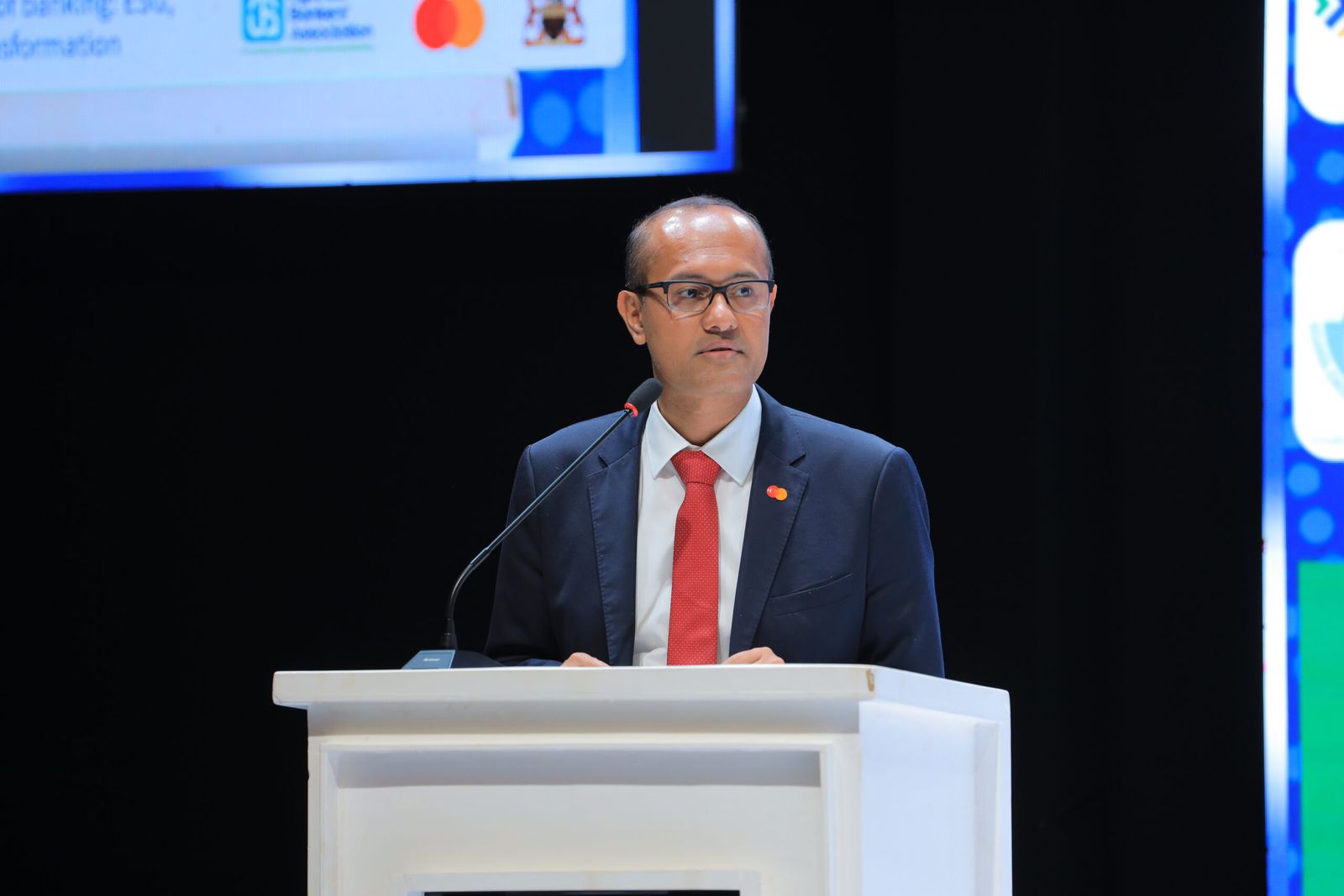
“As more young consumers across East Africa bring their financial and commercial lives online, what people expect from a payment is changing fast,” said Shehryar Ali, senior vice president and country manager for East Africa and Indian Ocean Islands at Mastercard. “Our focus is on making digital payments simple, secure and seamless, while working with banks, fintechs, telcos and other ecosystem partners to give consumers and businesses access to payment experiences that fit naturally into the way they live and work.”
This progress in digital payments goes hand in hand with security. As digital transactions become more embedded in everyday life, consumers care more than ever about trust. They want faster, smoother checkout, and they want reassurance that their money and personal information remain protected. “For digital payments to become truly frictionless, consumers need to know that security is working quietly in the background. As digital commerce grows across East Africa, we are focused on building security into the payment experience from the outset, using technologies such as tokenization and advanced authentication to help protect transactions while keeping the experience simple and seamless,” Ali adds.
By 2050, Africa’s youth population, already the largest in the world, is expected to double to more than 830 million. That will push demand for connected digital experiences and commerce even higher. For businesses operating across the continent, the message is simple. The future of commerce will be instant, interconnected and embedded into everyday digital life. The businesses that make paying effortless will be well placed to thrive in the digital economy.
The article is by Shehryar Ali, Senior Vice President and Country Manager for East Africa and Indian Ocean Islands at Mastercard


