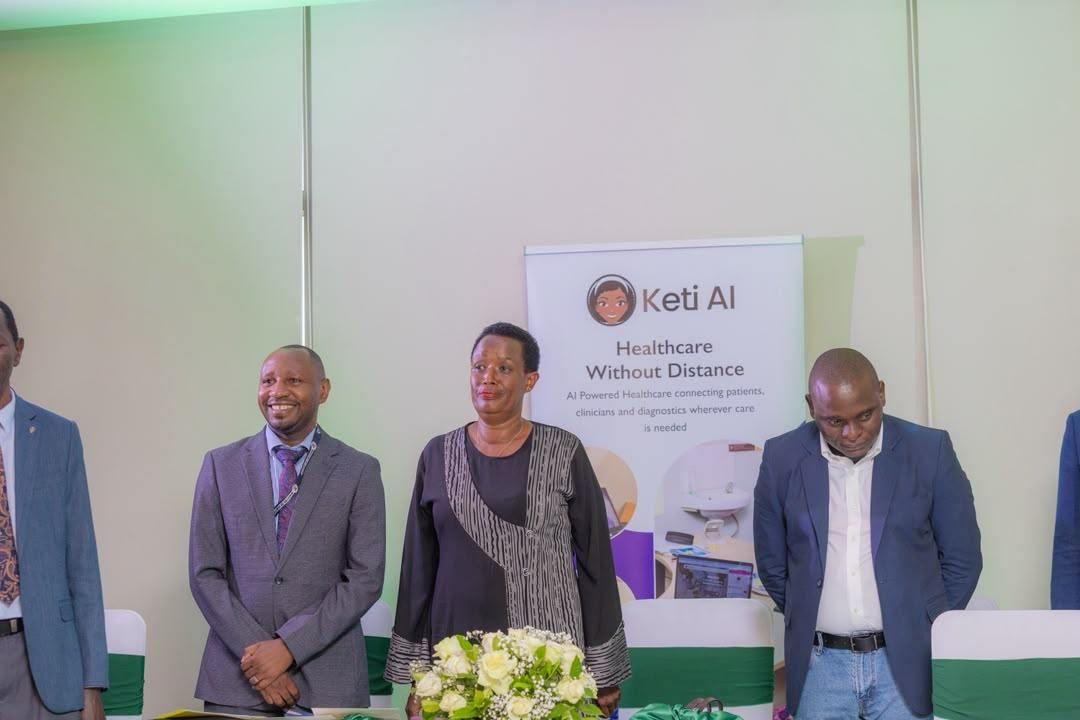


Reckitt, the company behind Dettol, and Ugandan health technology company Chil Group have launched Dettol Hygiene Quest Phase 3, expanding a technology-supported school hygiene programme that aims to reach an additional 650,000 children across Uganda.
The new phase will cover Mpigi, Kampala, Kabarole and Kabale districts. It will combine digital monitoring, practical hygiene education and access to essential hygiene products to improve children’s health and school attendance.
Beyond traditional hygiene awareness campaigns, the initiative highlights the growing role of digital technology in tracking public health interventions and measuring their impact in Ugandan schools.

How digital monitoring will support Dettol Hygiene Quest Phase 3
A key component of Dettol Hygiene Quest Phase 3 is the integration of digital tracking systems to monitor programme implementation, measure progress and strengthen accountability.
The technology will help Reckitt and Chil Group assess hygiene education activities across participating schools and identify areas that require additional support.
By collecting and analysing implementation data, the partners aim to make their interventions more measurable and improve decision-making as the programme expands.
This approach represents a shift towards data-driven public health education, where digital tools complement classroom lessons and practical demonstrations.
The programme will also provide structured training on handwashing, personal hygiene and disease prevention, alongside the distribution of products such as Dettol antibacterial soap.
Building on AI-powered hygiene education in Uganda
The introduction of digital monitoring builds on earlier technological innovations associated with Dettol Hygiene Quest.
During Phase 2, Chil Group introduced the Keti Dettol Hygiene Quest chatbot, an AI-powered assistant accessible through WhatsApp and a mobile application.
The chatbot was designed to support teachers with lesson planning, attendance tracking and monitoring hygiene practices.
In February 2026, the programme also announced a digital hygiene assessment initiative, using automated analysis and performance dashboards to help district officials evaluate pupils’ hygiene knowledge.
These developments demonstrate how the programme has increasingly incorporated AI and digital tools into its school-based public health activities.
Although the Phase 3 announcement confirms the use of digital monitoring, it does not specify whether every participating school will use the existing AI chatbot or provide technical details of the new tracking systems.
Programme reports over 70% reduction in hygiene-related absenteeism
The latest expansion follows reported improvements in school attendance during earlier phases.
According to figures shared by the programme’s organisers, hygiene-related school absenteeism declined by 71.6% during Phase 1 and 74.8% during Phase 2.
The figures suggest encouraging progress, although the announcement does not provide the underlying assessment methodology or independent verification of the results.
Dr. Shamim Nabuuma, Chief Executive Officer of Chil Group, said the initiative demonstrates the potential of combining public health education with local innovation.
“Our mission has always been to ensure that preventable illnesses never stand in the way of a child’s education,” she said.
Nabuuma added that the third phase would expand access to hygiene education while supporting healthier learning environments.
Scaling digital health solutions across Ugandan schools
For Uganda’s growing health technology sector, the programme provides another example of how local technology expertise can support large-scale public health initiatives.
Chil Group’s digital health capabilities, combined with Reckitt’s experience in hygiene education, are intended to make the programme easier to monitor and evaluate across multiple districts.
Cassandra Uzo-Ogbugh, Head of External Communications and Partnerships at Reckitt West and East Africa, said the company aims to promote lasting behavioural change and improve the wellbeing of schoolchildren.
The initiative also encourages pupils to share hygiene knowledge with their families, extending its potential benefits beyond classrooms.
Why data and accountability matter
As Dettol Hygiene Quest Phase 3 expands, the effectiveness of its digital systems will be an important measure of the programme’s success.
Beyond counting the number of children reached, digital monitoring could help partners understand whether hygiene knowledge translates into sustained behaviour change and improved attendance.
However, important questions remain about how the programme will protect children’s data, verify its reported outcomes and maintain digital monitoring across schools with different levels of connectivity.
For Uganda’s technology and public health sectors, the expansion offers an opportunity to demonstrate how digital tools can support evidence-based interventions at scale.
If the programme achieves its targets, it could provide useful lessons for other school health initiatives seeking to combine education, technology and measurable outcomes.


