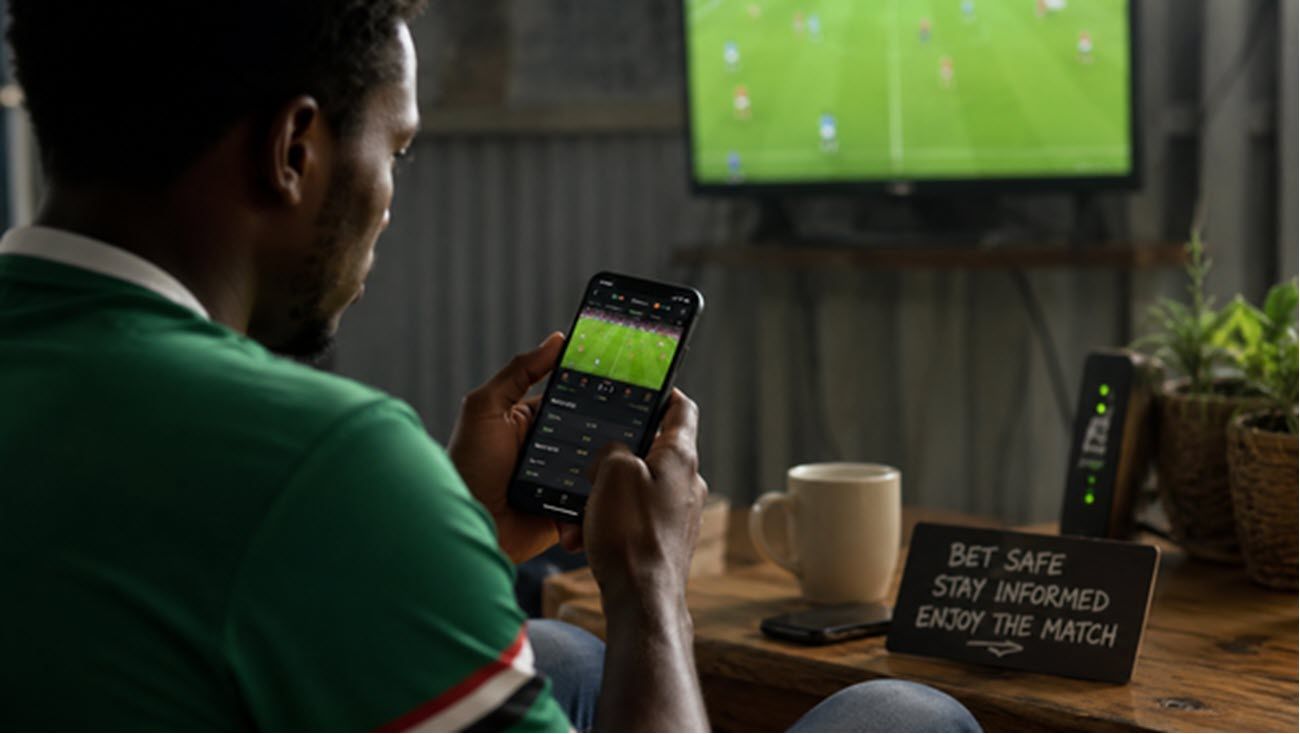


AFCON 2027 qualifying begins with a September window that will test more than national teams. Between September 21 and October 6, supporters across Kenya, Uganda and Tanzania will be checking lineups, live scores, tables, clips, statistics and betting markets from the same phones, often at the same minute. Kenya’s mobile sector is large enough for those peaks to matter: the Communications Authority reported 84.1 million active mobile subscriptions in the third quarter of 2025/26, while mobile broadband traffic reached about 800 million gigabytes. Matchday UX will be judged under load.
ALSO READ: iPhone Duo, Apple’s first foldable phone, opens a new chapter
Coverage Is Wide, but the Connection Is Not Always Equal
GSMA data puts 4G population coverage in Kenya at about 96%, with 5G approaching 40%, yet coverage does not guarantee a stable high-speed session for every user. The same research describes a large usage gap, while the Communications Authority says average mobile-broadband consumption reached 15.1GB per subscription in its latest reported quarter. A sports platform therefore has to cope with congestion, network handovers and data costs. A live-score page that depends on heavy autoplay video can fail the exact supporter who only needs a lineup and a score.

Android Is the Default Engineering Target
The device mix makes optimization choices less theoretical. StatCounter recorded Android at about 92.4% of Kenya’s mobile operating-system web traffic in July 2026, while the Communications Authority said smartphones represented 63.7% of mobile phones connected to Kenyan networks in its third-quarter report. That favors careful Android testing across inexpensive and older hardware, not only flagship devices with fast processors and large memory pools. Small JavaScript bundles, compressed images, and clear tap targets can do more for matchday usability than extra visual effects.
Localization Is Also a Performance Feature
A localized sports platform has to answer the first matchday questions quickly: Is the kickoff time local, are the relevant competitions easy to find, does the mobile layout fit the device, and can the user reach payments or account tools without unnecessary screens? The Kenyan betting site Melbet sits in the same product category, where local relevance matters alongside page weight and response time during busy football windows. Its current product materials describe mobile web and Android access, pre-match and live markets, statistics, and multiple payment methods, but those functions are useful only if they remain reachable under real match traffic. Localization still has to reduce the steps between the user and the information.
A PWA Can Keep the Shell Alive When the Signal Wobbles
Progressive Web App techniques are useful because service workers can cache interface assets and previously retrieved content, while background synchronization, where supported, can defer certain tasks until a stable connection returns. Push APIs can also deliver an alert when the browser is not open, subject to user permission and platform support. None of that makes a live score genuinely offline: a fresh goal, card or price still needs a network request from a current data source. Offline is not live.
Login Friction Becomes Visible Five Minutes Before Kickoff
Authentication is easy to ignore during testing because an engineer usually logs in on a stable office connection with a familiar device. During an AFCON window, a returning user may be on cellular data, switching towers, receiving an OTP, or recovering a session while lineups and prices are changing. For that user, Melbet login Kenya can be part of the flow for checking betting markets and placing sports bets, making it part of the same UX problem as any other high-traffic account flow: session persistence, clear error messages, quick password recovery, and minimal unnecessary redirects matter more as kickoff approaches. KYC and security checks should not be removed for speed, but the interface can explain them clearly and avoid making users repeat completed steps.
September Will Expose the Weakest Layer
The AFCON qualifiers arrive before East Africa hosts the finals in June and July 2027, giving sports platforms a useful rehearsal under regional attention. The test is not whether a service works on 5G in central Nairobi; it is whether an Android user on a less stable connection can open the lineup, refresh the score, recover an account session and receive a useful alert without burning unnecessary data. Lightweight mobile web, sensible caching, and resilient APIs will matter more than feature count. When thousands of supporters ask for the same update at once, the slowest dependency becomes the product.


