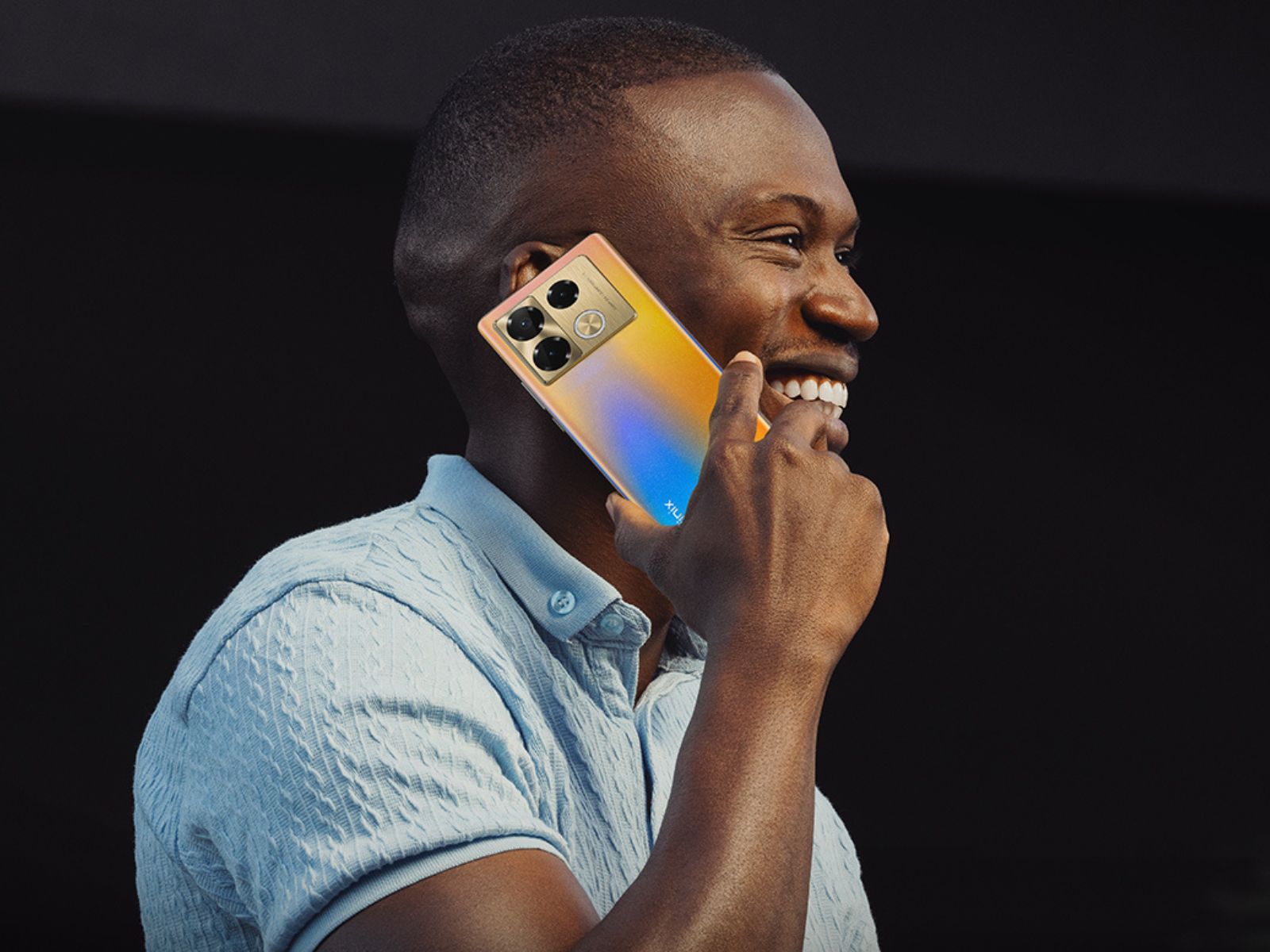


In an era where smartphones feel indispensable, losing cellular signal or running out of airtime can feel like a digital blackout. Yet a growing number of budget-friendly devices from Infinix, Tecno, and itel are quietly rewriting the rules of basic communication.
ALSO READ: How does YouTube’s Content ID copyright strike work?
Enter Ultra Link: a clever, offline feature that lets compatible phones make voice calls and send messages without a SIM card, network coverage, internet connection, or any data costs. Launched prominently in 2025 and now standard on several 2026 models, this technology turns everyday handsets into self-contained communication hubs for those moments when traditional networks fail.
The birth of Ultra Link
Ultra Link (branded as Free Link on some Tecno models) is the brainchild of Transsion Holdings, the parent company behind Infinix, Tecno, and itel. Designed primarily for emerging markets where network blackouts, remote locations, or high airtime costs are common, it repurposes hardware already inside modern smartphones.
Rather than relying on cellular towers, the feature creates a direct, device-to-device bridge. Early promotional campaigns highlighted scenarios like construction sites, university campuses, underground parking garages, or family compounds where staying in touch matters more than staying online. What sets Ultra Link apart is its simplicity: it works entirely offline, using no external infrastructure whatsoever.
Demystifying the technology behind it
At its core, Ultra Link leverages two familiar wireless protocols—Bluetooth and, in some implementations, Wi-Fi Direct—to establish a secure peer-to-peer connection. When activated on two nearby compatible phones, the devices scan for each other automatically, pair up, and open a private communication channel.
Voice calls travel as digital audio packets across this link, while text messages (and in certain models, even image sharing) are transmitted in lightweight data bursts. No cellular towers or internet routers are involved, meaning the entire conversation stays local and private.
The technology is remarkably efficient because it builds on existing radio hardware rather than requiring new chips. Bluetooth provides the backbone for most interactions, offering low power consumption and reliable short-range performance, while Wi-Fi Direct can boost speed and slightly extend reach in ideal conditions.
Security is handled through device-level encryption, ensuring conversations remain protected from eavesdroppers within the limited range.
Setting up Ultra Link on your device
Enabling Ultra Link is refreshingly straightforward and requires no technical expertise. On most supported phones, users head to Settings, then tap into the SIM & Network or Mobile Network section. There, they will find a dedicated Ultra Link (or Free Link) toggle.
Switching it on prompts a few quick permissions—typically Bluetooth and location services, which help with device discovery. Some models even offer a convenient home-screen shortcut for one-tap access.Once activated on both devices, the phones begin scanning automatically.
A list of nearby compatible handsets appears, and selecting one establishes the link almost instantly. From that point, users can simply open the standard dialer or messaging app; the phone intelligently routes the call or text through Ultra Link when a connection is available.
No separate apps or complicated pairing rituals are needed, making the feature feel like a natural extension of the phone’s core functions.
Practical applications in everyday life
The real value of Ultra Link shines in situations where conventional networks stumble. Rural farmers coordinating during harvest season, students on a sprawling campus, or construction teams deep inside a building site can now stay connected without burning through prepaid credit.
During natural disasters or network outages, the feature becomes a lifeline, enabling families to check on one another when towers are down. Even in everyday urban settings—like crowded concerts or thick-walled apartment blocks—it offers a reliable backup that costs nothing extra.
Understanding the boundaries
Of course, Ultra Link is not without limits. Its effective range typically spans several hundred meters in open areas, though promotional claims sometimes stretch to one kilometer under perfect conditions; walls, interference, and terrain can reduce this significantly.
It works exclusively between compatible devices within the Transsion family, so cross-brand calls are impossible. Battery drain is another consideration, as keeping the radios active consumes modest power over time.
Finally, while voice calls and basic messaging are well supported, advanced features like video or large file transfers remain off the table for now.


