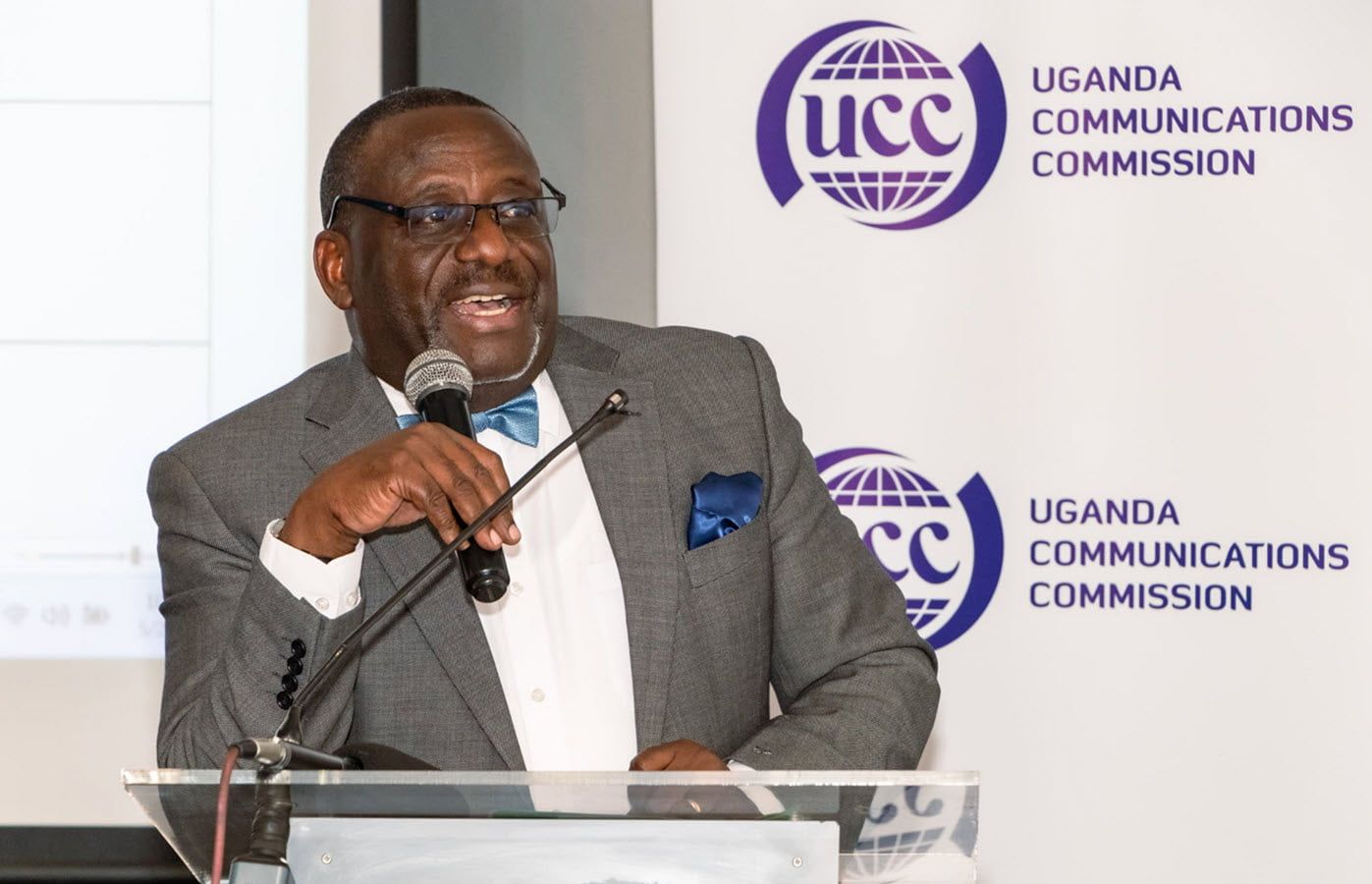


In the wake of Uganda’s contentious 2026 general elections, the Uganda Communications Commission (UCC) has found itself at the center of a storm involving artificial intelligence-driven disinformation and the lingering effects of a nationwide internet blackout. The elections, held on January 15, 2026, saw incumbent President Yoweri Museveni secure a seventh term amid allegations of fraud and heavy military involvement. However, the government’s decision to sever public internet access just days before the vote has sparked widespread criticism, highlighting the tension between national security measures and digital rights. This article explores the technological underpinnings of the shutdown, the UCC’s recent warning against AI-generated fakes, and the public’s frustrated response as reflected in social media reactions.
ALSO READ: Uganda Imposes Nationwide Internet Blackout Ahead of General Elections
Background: The Internet Shutdown and Its Tech Implications
On January 13, 2026, the UCC issued a directive to all licensed mobile network operators (MNOs) and internet service providers (ISPs) to suspend public internet access starting at 6:00 PM local time. This blanket shutdown blocked social media platforms, web browsing, video streaming, personal email, and messaging apps, with exemptions limited to critical infrastructure like healthcare systems, banking networks, and the electoral commission’s portal. Additional measures included halting new SIM card sales and registrations, as well as disabling outbound data roaming to neighboring countries under the One Network Area agreement.

The rationale, as stated by the UCC, was to mitigate the “rapid spread of misinformation, disinformation, electoral fraud, and related risks” that could incite violence and undermine public confidence during the election period. From a technical standpoint, this involved network-level throttling and blocking, likely implemented through deep packet inspection (DPI) tools and IP address filtering at ISP gateways. Such measures are not uncommon in regions with centralized telecom infrastructure, where governments can leverage regulatory control over a handful of providers like MTN Uganda and Airtel Uganda to enforce widespread disruptions.
The shutdown lasted until January 18, 2026, when partial restoration was announced following a “comprehensive security assessment.” However, access to social media remained restricted for many users, forcing reliance on virtual private networks (VPNs) to circumvent blocks. This partial rollback underscores the modular nature of modern network controls, where governments can selectively restore services while maintaining filters on platforms like X (formerly Twitter), Facebook, and TikTok.
The tech fallout was significant. Uganda’s digital economy, which relies heavily on mobile money services like MTN MoMo and Airtel Money, ground to a halt for millions. Businesses reported slashed incomes, with mobile money agents and e-commerce platforms unable to operate. Gamers, online educators, and remote workers faced abrupt isolation, illustrating how internet shutdowns exacerbate digital divides in a country where broadband penetration is around 45% and mobile internet dominates. Human rights organizations, including Amnesty International and Human Rights Watch, condemned the move as a violation of international standards, arguing it failed tests of necessity and proportionality under frameworks like the International Covenant on Civil and Political Rights.
Moreover, the shutdown hindered election transparency. Opposition leader Bobi Wine (Robert Kyagulanyi) rejected the results, alleging fraud and claiming the blackout prevented agents from sharing polling station data. Election observers from the African Union noted that military involvement and the internet cut-off eroded democratic integrity, while tools for real-time monitoring—such as blockchain-based vote verification apps or crowdsourced reporting platforms—were rendered useless.
UCC’s Warning: AI as the New Frontier in Disinformation
Against this backdrop, on January 21, 2026, the UCC issued a public notice via X, alerting citizens to the “deliberate circulation of fabricated notices and AI-generated falsehoods intended to misinform and disinform the public.” The post specifically called out a TikTok account under the handle “MEDIA_CHANNEL (real_blxz)” for publishing content falsely attributed to the UCC and other entities. The commission urged the public to verify information through official channels and warned of legal action against perpetrators, tagging hashtags like #ConnectedUg2030 and #DigitalUganda.
From a technological perspective, this highlights the growing role of AI in amplifying disinformation during high-stakes events like elections. Generative AI tools, such as deepfake generators powered by models like Stable Diffusion or GPT variants, can create realistic forged documents, audio clips, or videos mimicking official communications. In Uganda’s case, the targeted TikTok account reportedly used such tech to spread fake UCC notices, potentially exploiting the information vacuum created by the shutdown.
This isn’t isolated; global trends show AI-driven misinformation surging in electoral contexts. For instance, tools like Midjourney or Adobe Firefly can fabricate images of rigged ballots or altered results, while voice-cloning software (e.g., ElevenLabs) could impersonate officials. The UCC’s response aligns with broader efforts in Africa, such as Kenya’s AI regulatory frameworks or South Africa’s disinformation task forces, but it raises questions about enforcement. Without full internet access, how can citizens cross-verify? And in a shutdown scenario, AI fakes could thrive offline via SMS or word-of-mouth, defeating the purpose of the blackout.
The UCC’s use of X to disseminate this warning adds a layer of irony, as the platform itself was among those restricted. This points to potential inconsistencies in implementation—perhaps officials used exempted networks or VPNs—fueling debates on equitable access to digital tools.
Public Sentiments: Frustration, Irony, and Calls for Accountability
The UCC’s post, which garnered over 900 likes and 800 replies by January 23, 2026, elicited a barrage of public backlash, reflecting deep-seated frustrations with the shutdown’s hypocrisy and impacts. Commenters highlighted the absurdity of a regulatory body using a blocked platform to communicate, with one user quipping, “But…you switched off the Internet and social media, who are you tweeting this for? Thought you closed Ugandans off social media.” Another mocked, “Admin which vpn are you using naffe tugufune,” implying the UCC must be bypassing its own restrictions.
Sentiments ranged from anger over practical losses—”All my GBs got expired” amid expired data bundles—to broader critiques of governance: “You people are just totally USELESS… Anything you say henceforth is just absolute BS.” Several pointed to the shutdown’s futility, with one noting, “We have not read your Post because the internet is still shut down.” Threats in the UCC’s language drew ire too: “I don’t understand why all of you guys think you should be using threatening language all the time!”
These reactions underscore a tech-savvy public’s awareness of digital inequalities. Many users, including journalists and activists, expressed how the blackout stifled free expression and economic activity, echoing reports from sources like the BBC, where individuals described going “cold turkey” from online entertainment and income sources. The irony peaked in questions like “Does UCC also use VPN?”—a nod to how circumvention tools like ProtonVPN or ExpressVPN became lifelines for the elite, while ordinary Ugandans suffered.
Broader Tech Implications and the Path ForwardUganda’s experience exemplifies the double-edged sword of technology in governance. On one hand, AI and digital platforms enable rapid information dissemination; on the other, they facilitate manipulation that justifies draconian controls like shutdowns. The economic cost—estimated at millions in lost GDP from disrupted fintech and e-commerce—highlights the need for resilient infrastructures, such as decentralized networks or satellite internet (e.g., Starlink pilots in Africa).
Moving forward, ongoing court cases, supported by groups like Paradigm Initiative, challenge the shutdown’s legality, seeking accountability under Uganda’s Human Rights Enforcement Act. International bodies urge alignment with human rights standards, advocating for targeted interventions over blanket bans—perhaps using AI-powered content moderation instead of total blackouts. As Uganda navigates its #DigitalUganda vision, balancing security with access will be key. The UCC’s warning against AI fakes is a step toward awareness, but without addressing public distrust amplified by the shutdown, such efforts risk falling on deaf ears—or, in this case, offline devices.


 has found itself at the cente)