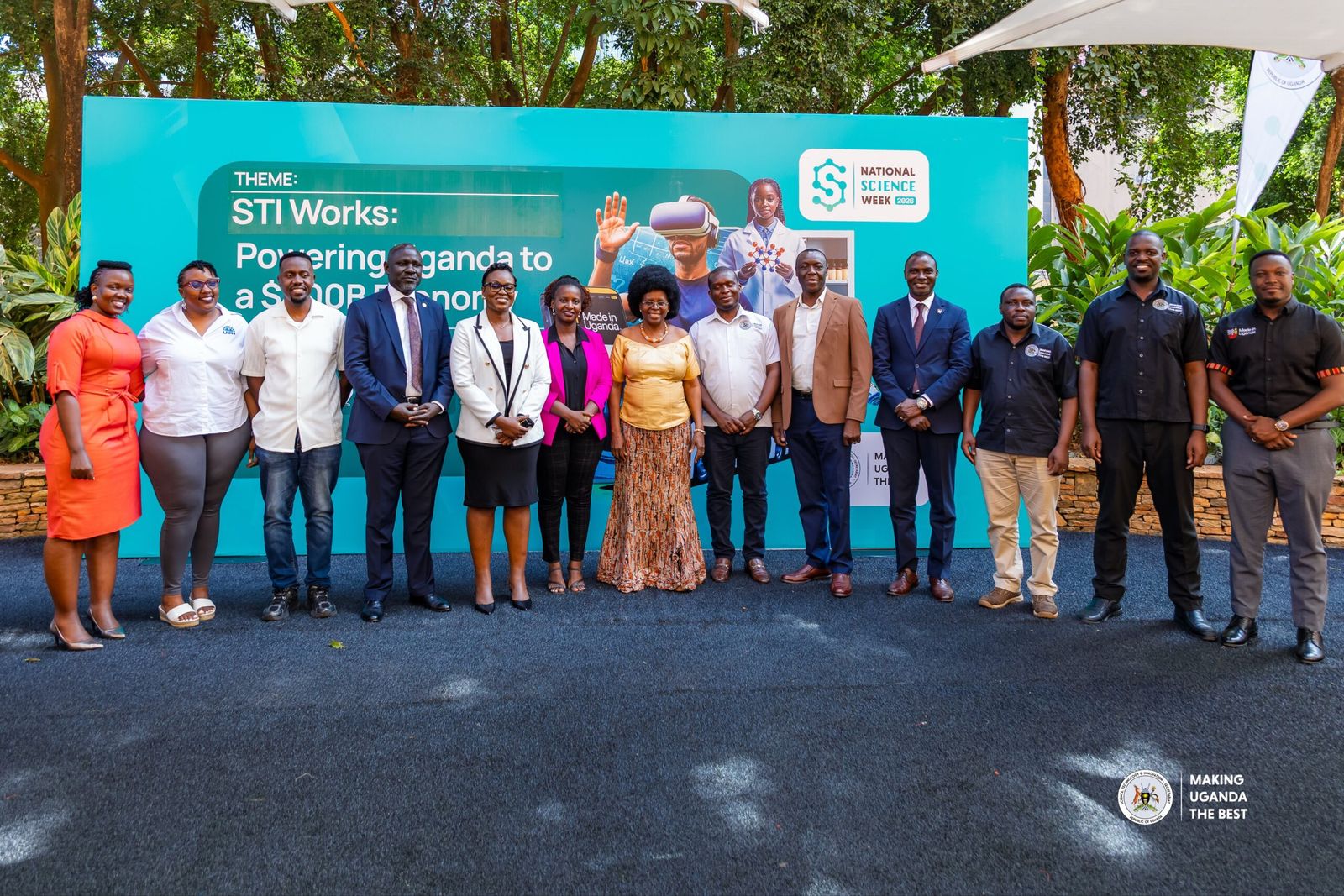


The Ugandan government has announced National Science Week (NSW) 2026, a six-day showcase running from 27 April to 2 May at Kololo Independence Grounds in Kampala. Organised by the Science, Technology and Innovation (STI) Secretariat under the Office of the President, the event positions homegrown science, technology, and “Made in Uganda” products as key drivers toward the country’s ambitious target of a USD 500 billion economy.
While government rhetoric frames this as a shift from “proving potential” to “delivering results,” the week offers a rare public window into whether Uganda’s growing innovation ecosystem can move beyond pilots and prototypes into scalable, market-ready impact.
Over the past five years, the STI Secretariat has poured resources into turning research into tangible outcomes. One of the most visible examples is the Kayoola Electric Bus, developed by Kiira Motors. Late last year, the locally engineered electric coach completed a gruelling 13,000-kilometre round-trip expedition from Kampala to Cape Town and back.

The journey wasn’t just a test of battery range and durability across varied African roads; it doubled as a mobile showroom for Made in Uganda goods. At stopovers, the bus and its accompanying products were presented to investors and potential buyers, signalling that Ugandan engineering and manufacturing might compete on a continental stage.
For a country still heavily reliant on imported vehicles and fossil fuels, the Kayoola project highlights both the promise of e-mobility and the practical hurdles, including charging infrastructure, supply chains, and cost competitiveness, that remain.
Parallel efforts are targeting the digital economy. A recently concluded Game Jam hackathon drew young developers together for intense 48-hour sprints to build playable games, many with real-world applications in conservation. Participants tackled themes like protecting endangered species through interactive puzzles and environmental storytelling.
While gaming remains a nascent industry in Uganda, the government sees it as part of a broader push to monetise youth digital skills and create exportable content. The hackathon’s focus on conservation also reflects a pragmatic blend of technology with local challenges such as biodiversity loss, sustainable tourism, and community engagement.
Underpinning these initiatives is the Made in Uganda (MIU) platform, which aims to connect innovators directly to markets. By providing discovery, distribution, and commercial pathways, MIU seeks to shorten the gap between lab bench and shop shelf.
The government argues this structured ecosystem is already generating jobs and attracting investment, though independent observers will be watching whether participation at NSW translates into actual deals rather than exhibition buzz.
What to expect at Kololo? The programme is deliberately hands-on. Visitors can engage with the Made in Uganda experiential zone, tracing how ideas move from concept to commercial product. Live demonstrations will span electric mobility, artificial intelligence, biosciences, electronics, and everyday consumer innovations. Investor roundtables and deal rooms will pair capital with startups, while policy dialogues and global pitch sessions aim to place Ugandan solutions on international radars. The event is free and open to the public, suggesting an attempt to demystify science and build broader buy-in.
“Uganda has moved beyond proving potential. We are demonstrating results across mobility, manufacturing, and now the digital economy,” said Dr Monica Musenero, Minister of Science, Technology and Innovation. “From electric vehicles crossing the continent, to locally made products entering new markets, to young developers building solutions for real-world challenges, Science, Technology and Innovation is actively shaping Uganda’s economic future.”
Sceptics might note that ambitious targets and glossy showcases have appeared before in Uganda’s development story. Sustained industrial growth will ultimately depend on execution: consistent policy, reliable infrastructure, and private-sector uptake, rather than event-driven visibility alone.
Yet the momentum is undeniable: a homegrown electric bus that conquered half a continent, a new generation coding conservation games, and a deliberate effort to commercialise innovation. National Science Week 2026 won’t solve every structural barrier, but it offers a concrete stage to test whether Uganda’s STI bet is paying off.
For tech enthusiasts, investors, students, or anyone curious about East Africa’s innovation scene, the event could be worth attending. In a region often defined by resource extraction, Uganda is betting that homegrown ingenuity can rewrite the script. Whether it scales to $500 billion ambitions is a longer game, but April’s showcase may mark an important chapter.


 2026, a six-day showcase running from 27 April to 2 May at Kololo Independence Grounds in Kampala.)