

Gone are the days of needing to buy piles of expensive CDs and DVDs, or paying to download songs and videos in order to have access to the latest in entertainment. Whether you’re looking to listen to the latest chart-topping music or want to watch series and movies wherever and whenever you want without ads, streaming services are the way to go.
Today there are a slew of streaming services that replace the old model of buying and owning the content you want, in favour of paying a monthly subscription for access to more content than you could consume in a lifetime. Here’s what you need to get started.
Internet connection
First up, you’re going to need a decent internet connection. Even though most streaming services will let you download content for offline viewing or listening, and most can adjust the quality of content to match your connection speed, you’re still going to need plenty of bandwidth. Whether you’re using fiber or mobile broadband, you’re either going to need an uncapped connection, or one with a large monthly data allowance (think 50GB/month or more).

Though fiber is rolling out to a growing number of suburbs around Uganda, if it’s not available in yours yet you’ll still be able to stream with 4G connection. While a 1-3Mbps connection is definitely sufficient for music streaming and usually good enough for video, 3-8 Mbps or faster is preferable as it’ll ensure you can watch high-definition content without any dreaded buffering.
Many internet service providers now offer LTE products that use the same mobile networks as your smartphone, but provide a Wi-Fi router you can connect multiple devices to, and come bundled with large quantities of data. Of course, it’s also possible to stream on your mobile phone using data from your mobile operator, but that can get expensive fast, so it’s best avoided.
Device to use
Most streaming services let you stream content from a web browser or via dedicated apps for phones, tablets and smart TVs. If you don’t have a smart TV but your TV has an HDMI port you can also stream by connecting a laptop or desktop computer to it, or by investing in a set top box like an Apple TV or a streaming dongle like a Google Chromecast. If you’re a gamer with a recent Xbox or PlayStation console you’ll be able to stream with it, too.
Choose streaming service
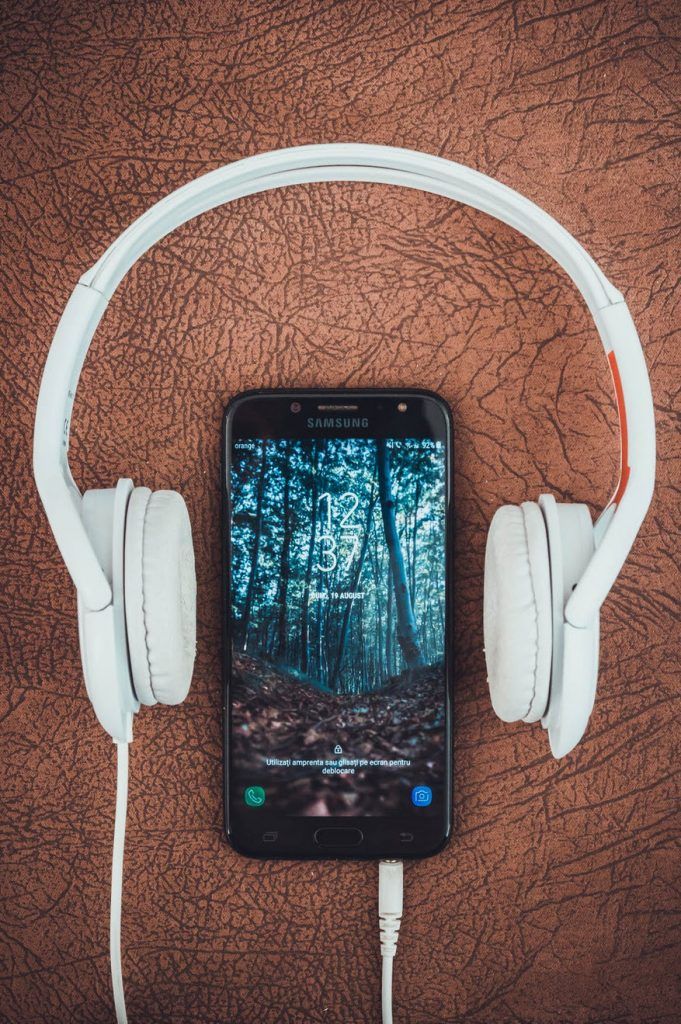
Deciding which streaming service to use will depend on what it is you want to watch or listen to. Thankfully, every big-name streaming service offers a free trial so you can test it out before committing to the monthly subscription fee.
For video streaming, the big-name services are Showmax, Netflix, Amazon Prime Video, HBO or Hulu. Showmax offers african local content, HBO shows and a huge catalogue of movies and children’s content. Netflix and Amazon’s unique selling points are their original shows, offering wide variety of packages and subscription tiers each offers.
For music streaming, your options include Spotify, Apple Music, Deezer, and Tidal. Thanks to licensing deals, there’s less variation in terms of content and which you choose may instead depend on the devices you’re using or which services your friends or family are on (because sharing, after all, is caring, and its easiest when you’re all on the same platform).
Pro tips
As with most things in life, when it comes to choosing your connectivity provider or your streaming service, it pays to shop around. Start by investigating which mobile network or internet service provider has the best offers in your area.
With streaming services there’s less to worry about. Most services offer the aforementioned free trial so you kick the proverbial tyres (and check it has the content you want) before committing. Fortunately, every music-streaming service offers month-to-month billing, so you can opt out any time (though some offer discounts for longer commitments).
Whichever service you end up using, look out for the option to download content. That means you can keep listening or watching even when you don’t have internet connectivity, like when you’re traveling. Plus, if you’ve only got access to high-speed, unlimited internet connectivity at your office you’ll be able to take content home with you. Do check with your employer that they’re okay with you using their internet to download content before you do it, though.
Wrap up
Streaming doesn’t just let you have access to more content than you could ever consume, it ensures you get access to new content as it becomes available, makes it easy to share things with friends, negates the need to store physical media on a bookshelf or large files on your devices, and it guarantees the content you’re consuming is of a consistent quality. Pirating content offers no such quality guarantees and can expose you to malicious software, not to mention nasty letters from your internet service provider.
But above all, streaming means you don’t need to waste any of your previous viewing or listening time on unsolicited content from marketers… in other words, you need never see or listen to an advertisement again. That alone might just be worth the price of admission.


