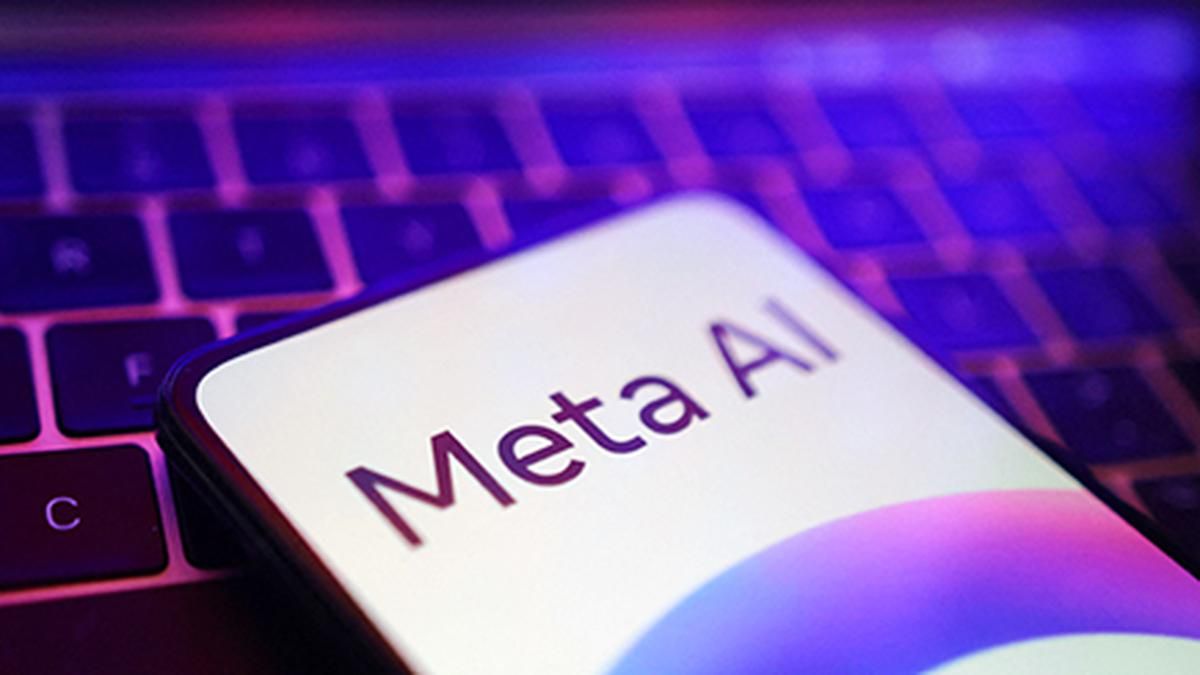


Meta has unveiled its standalone Meta AI app, making a bold entrance into the increasingly crowded field of generative AI. With its powerful Llama 4 model and seamless integration across Meta’s digital empire, this app isn’t just another chatbot-it’s Meta’s declaration that it’s here to shape the future of AI.
Meta AI isn’t an add-on or a background feature tucked away in your Facebook settings. It’s a dedicated app, ready for download on iOS, Android, and desktop, designed to rival the best conversational AIs. Under the hood, Meta’s Llama 4 model powers everything from answering questions to generating images and short videos. The app also features voice conversations, making interactions feel more natural and dynamic.
One standout is the Emu image generator, which allows users to create unique visuals in seconds. Whether you need a quick meme or a concept sketch, Meta AI aims to be your creative partner.

Deep integration across Meta’s Universe
What sets Meta AI apart is its deep connection to the entire Meta ecosystem. Whether you’re chatting on WhatsApp, browsing Instagram, posting on Facebook, or using Meta’s AI-powered glasses, the app is always within reach. This tight integration lets Meta AI draw on your interactions across these platforms to deliver personalized responses-think tailored recommendations, reminders, and content suggestions.
However, this level of integration comes with privacy trade-offs. The AI ecosystem uses data from across its platforms to personalize your experience, raising concerns about how much information is being collected and used. The app’s Discover feed, which showcases AI-generated content from users, is shared by default-meaning your creations could be public unless you opt out.
A massive user base
Meta isn’t shy about its ambitions for AI. As of January 2025, the platform already had 700 million monthly active users, mostly through WhatsApp and Facebook. The company is aiming for one billion users by the end of the year, a number that dwarfs the web traffic of its competitors. For context, the Meta AI web portal has seen less than 10 million monthly visits, while other AI chatbots attract hundreds of millions, if not billions, of visits each month.
India has emerged as the largest market for Meta AI, especially on WhatsApp and Instagram, underscoring the app’s global reach and strategic importance in emerging markets.
Features that shine on Meta AI
Meta AI isn’t just about text. Its voice conversation feature and Emu image generator are clear highlights, making it easy to interact with the AI in new, creative ways. Users can ask questions, generate images, and share their creations with others.
But the app isn’t without its flaws. Early users have reported technical glitches and some design issues. For example, bugs in the Instagram integration make it difficult to delete queries, which raises privacy concerns. The web version has also had compatibility problems, particularly with certain browsers. And while Meta AI can answer a wide range of questions, it sometimes directs users to external search engines instead of providing answers directly, which can be frustrating for those expecting a fully self-contained assistant.
Privacy concerns take center stage
Meta’s approach to user data is under intense scrutiny. By default, its AI uses data from across its platforms to personalize responses-a practice that has drawn criticism from privacy advocates and users wary of how their data is being used for AI training. Meta is working on new privacy features, but the debate about data use and transparency is far from over.
Recent legal battles over data scraping have only heightened these concerns. Meta’s unsuccessful lawsuit against a company scraping Facebook and Instagram data highlights the complex legal landscape around user data and AI training. As platforms respond by locking more content behind login walls, the way users interact with social media and AI could change significantly.
Monetization and the future
For now, Meta AI is free to use, but Meta has plans to introduce a paid subscription for advanced features in the future. Significant revenue from the app isn’t expected until 2026, but Meta is investing heavily in AI infrastructure, betting that generative AI will play a central role in the next era of digital experiences.
The AI platform’s biggest advantage is its reach. With billions of users across its platforms, Meta has a built-in audience that no other AI provider can match. But with this reach comes the responsibility to balance innovation with user trust and privacy.
Read About: What is Brain2Qwerty, Meta AI’s mind-to-text technology?


