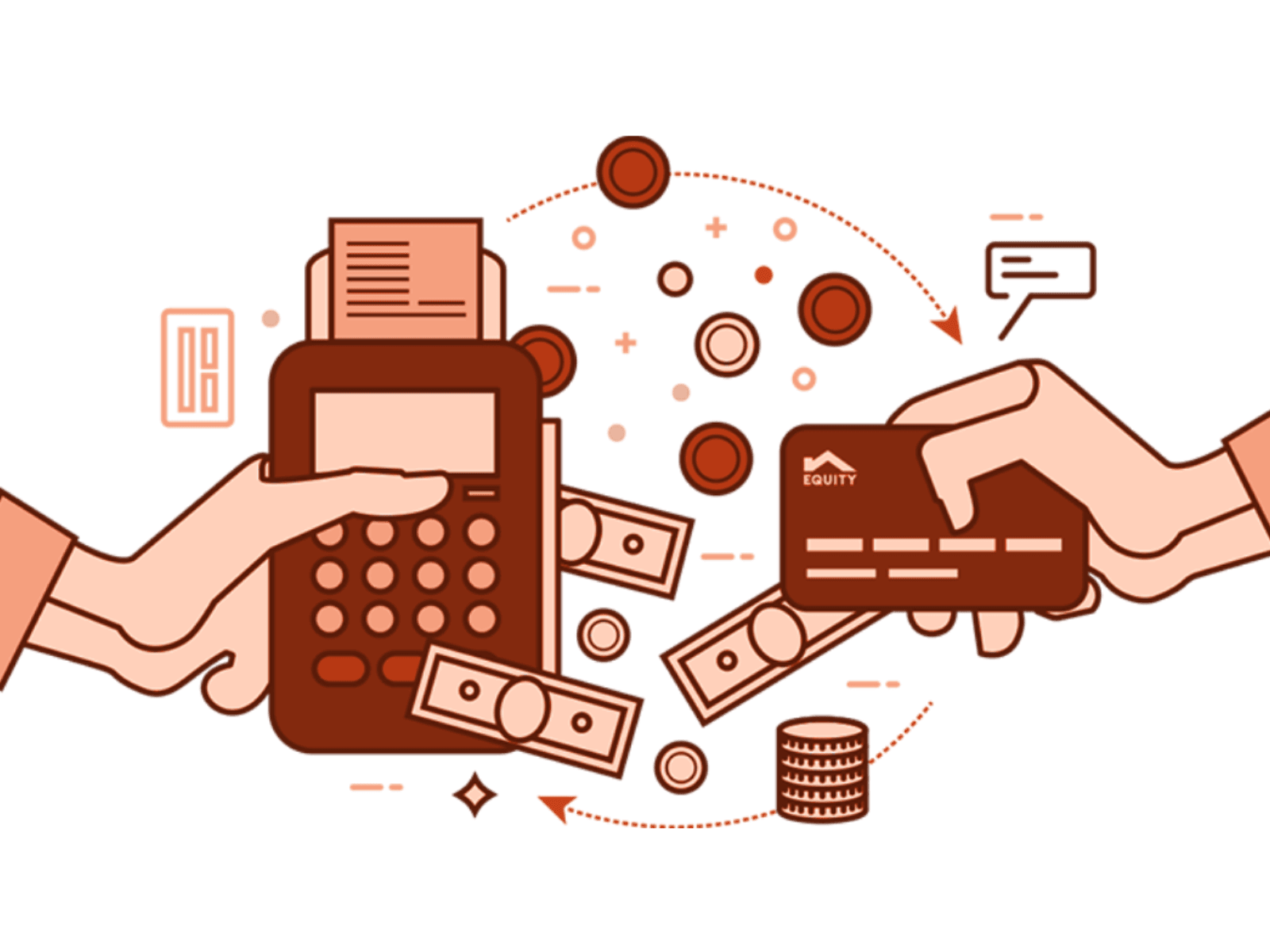


In the last few years, banking in Uganda has quietly changed. Long queues at the bank counter, piles of forms, and the worry of carrying cash are slowly becoming stories people tell the younger generation. Today, millions of Ugandans simply pick up their phones, press a few buttons, and finish their money matters in seconds.
Whether it is the Equity Mobile App or the simple code *247#, digital banking is now as normal as checking WhatsApp or buying airtime. It is fast, it is private, and it fits into the busy rhythm of daily life.
This article looks at the small but important things people do every day on their phones and explains why these habits are changing how Ugandans save, spend, and care for one another.

Checking the balance
Imagine waking up in the morning. The very first money-related thing most people do is open the banking app or dial *247# to see how much is in the account. Why is this the number one habit? It gives peace of mind. When salary or business money arrives, people want to see it right away. After buying something in the market or paying a boda-boda, they check again to know exactly where they stand. Checking the balance is like taking the temperature of your money—it tells you if you are okay to spend, or if you need to be careful today. In a country where many people live day to day, knowing the exact balance helps them plan small expenses and avoid embarrassing moments when money runs out unexpectedly. Real-time information has become the new safety net.
Buying Airtime and Data
Communication is life in Uganda. Whether you are a student who needs data for online classes, a business owner waiting for customer orders on WhatsApp, or a parent who wants to call home, airtime and data finish quickly. In the past, you had to walk to a shop, scratch a voucher, and load it carefully. Now, one tap inside the banking app or a short USSD code does the job instantly. It is cheaper because banks and mobile money providers removed many extra charges, and it is available at midnight or when it is raining. This small daily action shows how digital banking has merged with the most basic need—staying connected.
Sending money to loved ones
In Uganda, family support never sleeps. A mother in the village may need money for medicine, a brother in Kampala may need school fees, or a friend may be stuck somewhere with no transport home. Before digital banking, sending money meant long journeys or trusting someone on a bus. Today, money flies from phone to phone in seconds. The person receiving it gets a message immediately and can withdraw or spend right away. These daily transfers are not just about money—they carry care, responsibility, and relief. Digital banking has turned family love into something instant and reliable.
Paying bills without leaving the house
Paying for electricity tokens, water, TV subscription, or school fees used to eat an entire morning. You would travel to town, queue, fill forms, and sometimes reach the counter only to be told the system is offline. Now all these bills are listed inside the banking app. With a few taps, you buy electricity tokens while cooking lunch, pay the landlord while sitting in a taxi, or clear school fees at night after the children sleep. Every successful payment saves transport money, saves time, and removes the stress of last-minute rushes before deadlines. Households feel more organized because bills no longer sneak up on them.
Agents
Even with all the phone magic, cash is still king for many daily transactions—buying tomatoes, paying a tailor, or giving a child lunch money. That is why banking agents are everywhere: in small village shops, busy markets, and trading centers. People deposit the day’s sales or withdraw cash for expenses using the same phone system, but with a friendly agent who helps if they get stuck. Agents make digital banking feel close and human, especially for older customers or those who are new to smartphones. Digital tools and cash now walk hand in hand instead of fighting each other.
The quiet power of small daily savings
Many Ugandans used to think saving needs a big amount that comes once a month. Digital banking changed that story. Now people move 5,000 or 10,000 shillings into a savings pocket whenever they have a little extra. Some set automatic daily or weekly savings that feel painless. Seeing the total grow, even slowly, brings pride and hope. Banks encourage this by showing progress bars and sending cheerful messages when goals are reached. Saving is no longer something only rich people do—it has become a daily habit for teachers, market vendors, and boda riders.
Running a small business becomes easier
Small business owners are some of the busiest phone bankers. They pay suppliers in bulk through the app instead of carrying cash to dangerous places. They settle delivery riders instantly so goods keep moving. They pay rent and electricity for their shops without closing for half a day. Every payment leaves a clear record, which helps when they want to apply for a loan later. Digital banking gives small entrepreneurs speed and proof—two things that help their businesses survive and grow.
Keeping loans under control
Loans can feel heavy, but digital banking makes them lighter. Customers check how much they still owe with one tap, pay the monthly instalment before the due date, and watch the balance go down. Timely payments prevent extra charges and build a good record for future borrowing. Instead of fearing the loan officer, people now feel they are in charge of their own debt.
The growing habit of reading your own financial story
More and more customers download mini-statements or full statements from the app. They use these records to see where money disappears, to plan better budgets, or to show proof of income when applying for something important. Having your financial history in your pocket is empowering—it turns guesswork into clear pictures and helps people make smarter choices.


