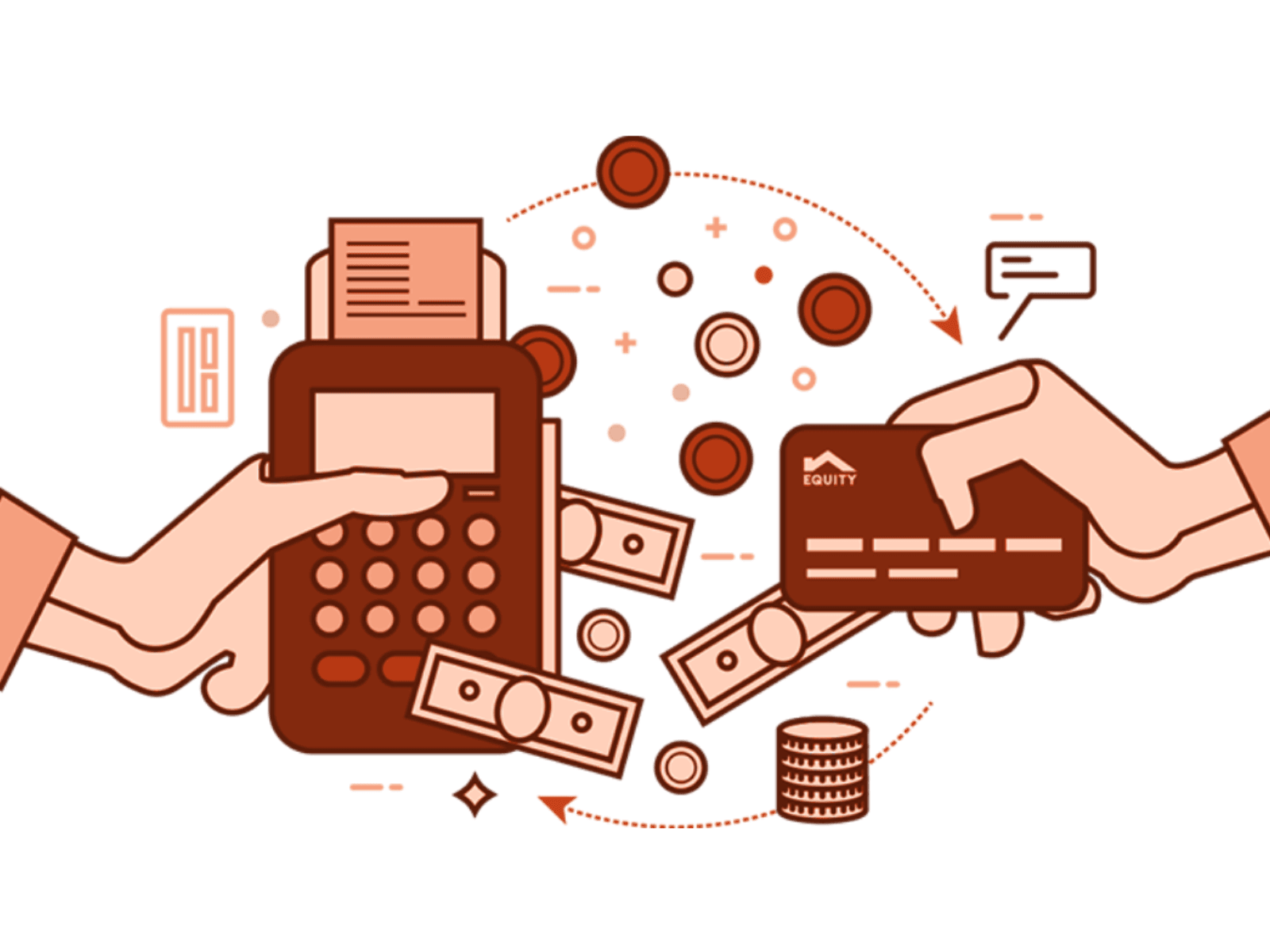


Digital banking is growing fast in Uganda. More people now send money, pay bills, save, and take loans using their phones or visiting banking agents. This convenience is exciting, but it also brings new worries.
What happens if someone steals your phone? What if a criminal swaps your SIM card and takes control of your account? What if they guess your PIN or trick you into giving away your password?
These fears make many Ugandans hesitate to fully trust digital banking. Equity Bank Uganda has found a powerful answer to these worries: biometric security. By using parts of your own body—your fingerprint or your face—the bank makes sure that only the real owner can access the money.
This article explains everything about biometric security in simple words, why it matters so much in Uganda today, and how Equity Bank is using it to protect customers while making banking friendlier for everyone.
What Exactly is Biometric Security?
Biometric security means using something that is completely unique to you to prove who you are. Think of it like nature’s own password that nobody else in the world has. The most common types are fingerprints, the lines on your fingers that no two people share, even identical twins.
Another is facial recognition, where the phone or machine looks at the shape of your face, the distance between your eyes, and other tiny details. Some systems can even listen to your voice or look at the colored part of your eye, called the iris. There are also newer types that watch how you type or tap on the screen.
Because these things come from your body and behavior, they are almost impossible to copy or steal. Unlike a PIN or password that can be written down, watched over your shoulder, or guessed, your fingerprint or face is always with you and cannot be forgotten or handed over easily.
Why Uganda Needed Stronger Protection
Over the last few years, millions of Ugandans have started using mobile money, mobile banking apps, USSD codes like *something#, and debit cards. This is wonderful because people can now get financial services even in remote villages. But criminals noticed the opportunity too.
They started stealing phones and trying to guess PINs. Some learned how to do SIM swaps, convincing mobile companies to move your phone number to a new SIM card they control. Others used tricks on the phone to make people reveal their secrets. Traditional PINs and passwords suddenly looked too weak.
You could know everything about a person’s account, but if you did not have their actual finger or face, you still could not get in. That is the big change biometrics brought: the bank no longer trusts something you know or something you have; it trusts something you are.
How Equity Bank Uganda Uses Biometrics Every Day
Equity Bank has brought biometric security into many parts of banking so that customers feel safe from the moment they open an account until they withdraw the last coin.
When you walk into an Equity branch or visit one of their thousands of agents across the country, the staff no longer only ask for your ID and signature. They ask you to place your finger on a small scanner. The machine reads your fingerprint and matches it to the one saved when you opened the account. Even if someone stole your national ID and learned your account number, they still cannot do anything without your living finger. This simple step has stopped many cases of impersonation.
On the Equity mobile app, logging in has become faster and safer. Instead of typing a password that you might forget or that someone could see, you just touch the home button with the same finger you use to unlock your phone, or you look at the camera for face recognition. The app opens in a second, and thieves who steal the phone still cannot get in because the phone demands the real owner’s face or finger.
Opening a new account used to take a long time with many forms and photocopies. Now, many customers simply give their fingerprint and a quick photo. The system checks everything in seconds against national records. This is a huge help for people in rural areas who may not have easy access to birth certificates or other papers. It also helps first-time bank users who feel nervous about complicated processes.
Even at ATMs and when using cards at shops, Equity is adding extra biometric checks at important moments. In the near future, you might place your finger on the machine instead of typing a PIN. No more looking over your shoulder to hide the numbers you press.
Why Biometrics Beat PINs and Passwords
A password can be short and easy to guess, like “1234” or your year of birth. A criminal can watch you type it or install a fake keypad to record it. If you write it down because you are afraid of forgetting, someone might find the paper.
Biometrics remove all these problems. Your fingerprint cannot be guessed, and nobody can install a fake finger on the scanner. Even if a criminal somehow gets a copy of your fingerprint (which is very difficult), modern machines can tell the difference between real skin and a fake copy because they check for blood flow and temperature.
In simple terms, your body becomes the safest key you will ever own.


