
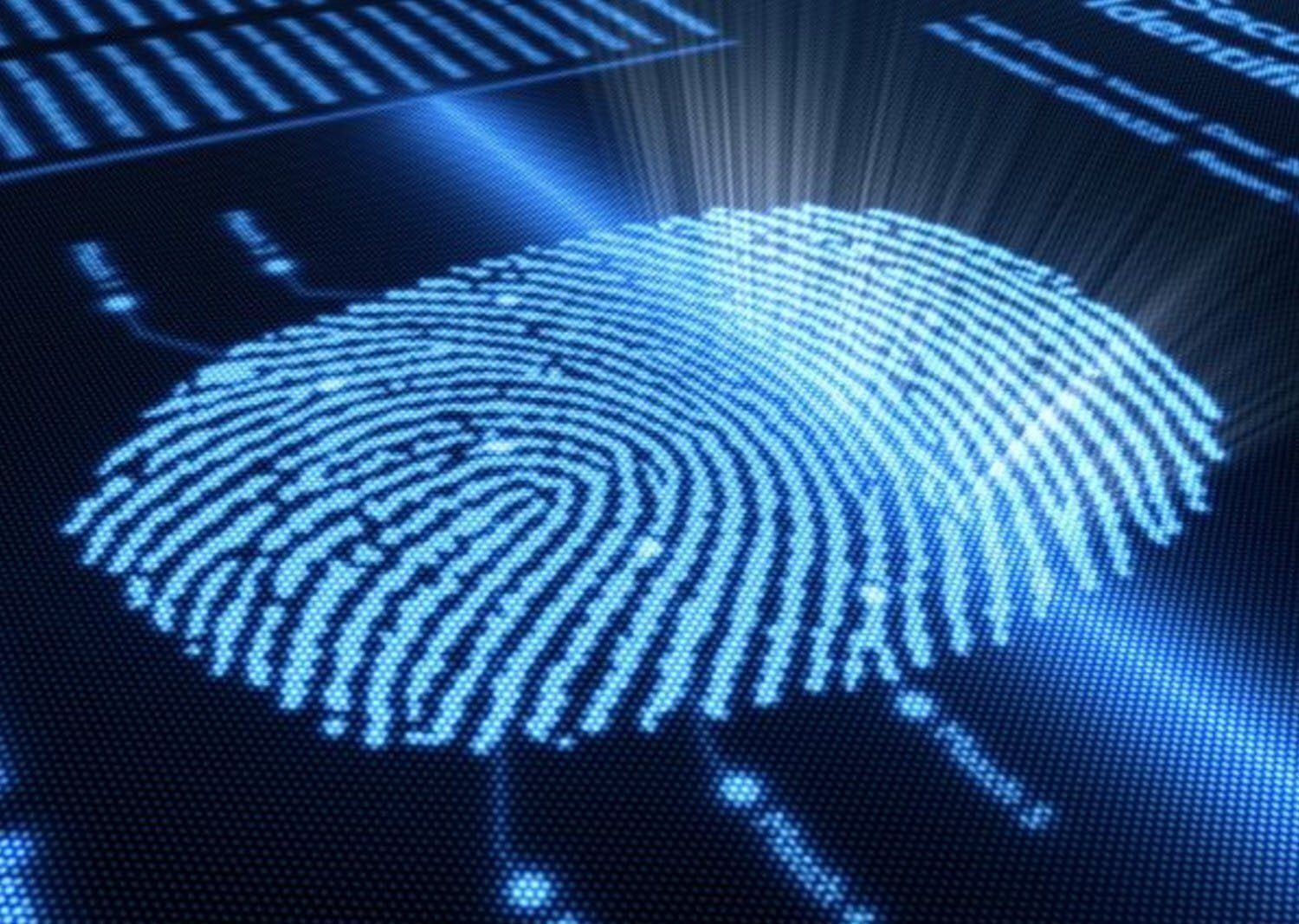
You thought that contactless payments and phone payments were easy, but making a transaction is set to become even simpler with the introduction of fingerprint recognition payment cards. The chief executive of IDEX Biometrics states that 100,000 biometric cards will be rolled out by the end of this year, following Mastercard’s fingerprint sensor card pilot which took place in South Africa last year. Fingerprint technology isn’t a new phenomenon as fingerprint technology in mobile phones has been around for years, but introducing it to the traditional chip card is a new development set to take the industry by storm.
How they work
Fingerprint sensor developer, IDEX Biometrics, have been working with Mastercard and have created a system whereby card manufacturers can add a thin fingerprint sensor to any card. For card holders, payment cards with built in fingerprint recognition are easy to use. Upon receipt of the card they must register their fingerprint using a small separate battery powered device and then they’re free to purchase goods using their new card. To make a payment, users simply place their finger on the sensor to authorize the payment and the transaction is complete.
The future of payments
IDEX predict that millions of biometric cards will be in circulation from 2019, so how will the world benefit from this new technology? Chaya Hendrick from SmartMetric explains that it’s a case of simplicity and enhanced security. “Touch your card and your fingerprint biometrics instantly unlock the card in less than a second. Safer than a password and so much easier and quicker than entering a PIN.” Biometric cards are also beneficial to stores as they work with their existing payment terminals, meaning no additional expense is incurred. Eliminating the need to enter a pin also makes payments swifter, ensuring a more satisfactory customer experience.
Security benefits
When you’ve got multiple bank cards, it can be difficult to remember your pin number. A fingerprint credit or debit card eradicates the need to remember this number and prevents card holders from writing the number down. According to The Telegraph there are just 10,000 unique four digit pin numbers, but there’s only a one in 50,000 chance of matching another person’s fingerprint. Therefore, it’s far safer to opt for a card with a fingerprint sensor. However, it’s important to note that regardless of how you make your financial transactions you should always ensure that you’re buying from reputable retailers and that your finances are safe and secure.
Following a successful trial in South Africa, fingerprint sensor cards are set to be rolled out across the world in the coming months. These types of cards come with multiple benefits, including ease of use and enhanced security features, making them an innovative development in the payments and technology industries.

