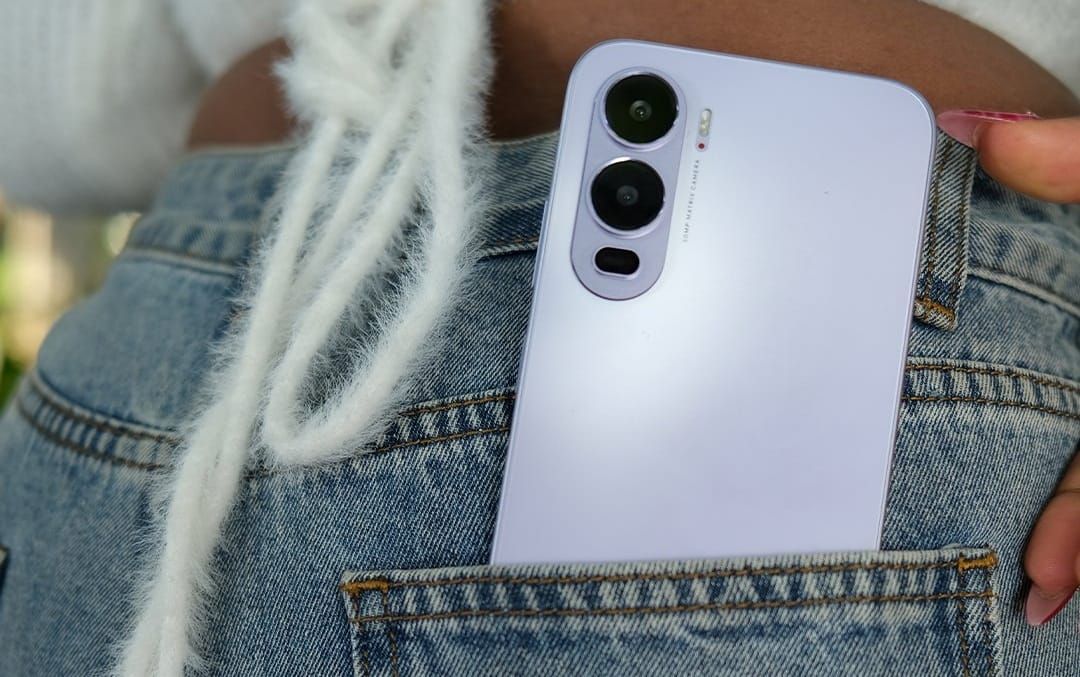


itel continues to deliver impressive value for money, especially for users in markets like Uganda. The itel City 100 and its successor, the itel City 200, are both ultra-affordable 4G devices designed for everyday needs.
They share the same reliable Unisoc T7250 chipset, a generous 5200mAh battery with 18W fast charging, flexible storage options up to 256GB plus microSD support, and an 8MP front camera for clear selfies and video calls. Yet, despite these similarities, the City 200 introduces several thoughtful upgrades that make it stand out—while the City 100 holds its own in key areas like memory handling.
Neither model is a complete overhaul, but the differences are meaningful enough to influence your buying decision. This detailed comparison breaks down every upgrade so you can decide which one truly deserves a place in your pocket.
Display
One of the most noticeable improvements in the itel City 200 is its display technology. It features a slightly larger 6.78-inch IPS LCD panel with a smooth 120Hz refresh rate, compared to the City 100’s 6.75-inch screen that tops out at 90Hz.
Both phones offer similar resolutions around 720 pixels and peak brightness levels of about 700 nits, making them bright enough for outdoor use under direct sunlight. However, that extra 30Hz on the City 200 translates to visibly fluid scrolling when you’re browsing social media, swiping through apps, or playing casual games. Animations feel more responsive, and the overall experience is less stuttery during daily tasks.
For users who spend hours on their phones, whether catching up on news or chatting on WhatsApp, the City 200’s screen delivers a premium-like feel that the City 100 simply cannot match. If smooth visuals matter to you more than anything else, this upgrade alone could tip the scales.
Camera
Photography enthusiasts on a tight budget will appreciate the City 200’s leap in rear camera hardware. It comes equipped with a 50MP main sensor, while the City 100 relies on a more modest 13MP lens. On paper, that’s nearly four times the resolution, allowing the City 200 to capture finer details, sharper textures, and better color accuracy in well-lit conditions.
Low-light performance sees incremental gains too, thanks to improved software processing that itel has tuned for the newer model. Both phones record 1080p video and include the same 8MP front camera for selfies, but the City 200’s higher megapixel count means your photos of family gatherings, market scenes, or travel memories will look noticeably crisper when shared on social platforms.
In real-world use within this price range, you won’t get flagship-level results, yet the upgrade is substantial enough to make the City 200 the clearer choice if snapping high-quality images is a priority for you.
Build and durability
The City 200 feels more modern in the hand thanks to its refined build. Measuring just 7.45 to 7.5 millimeters thick, it is noticeably slimmer than the City 100’s 7.65 to 7.7 millimeters. This subtle reduction gives it a sleeker, more pocket-friendly profile without sacrificing the solid feel.
More importantly, the City 200 raises the bar on durability with a higher IP rating, often listed as IP65 or better, offering superior resistance to dust and water splashes. Some listings even highlight military-grade toughness for added peace of mind during Uganda’s rainy seasons or dusty commutes.
The City 100 still holds up well with its IP64 rating, but the City 200’s unibody design and occasional metallic camera accents give it a slightly more premium touch. If you want a phone that can withstand everyday bumps and occasional exposure to the elements while looking and feeling more refined, the City 200 delivers exactly that upgrade.
Software
Software support is another area where the City 200 pulls ahead. It ships with Android 15 out of the box, complete with itel’s custom CITY-themed interface that includes handy AI tools for image generation and smart assistance. The City 100, on the other hand, runs Android 14 with the Pure 14.5 OS skin.
While both operating systems are clean and bloatware-light, Android 15 brings subtle enhancements in privacy controls, battery optimization, and future-proofing for security updates. For users who keep their phones for two or three years, starting with the newer version means longer support and access to the latest features without waiting for an over-the-air update.
The difference may not be dramatic on day one, but it adds meaningful long-term value that budget buyers will appreciate over time.
RAM and performance
Performance is where the comparison gets interesting. Both phones use the same Unisoc T7250 processor, so core speed for calls, messaging, and light gaming remains comparable. However, the City 100 often comes with higher physical RAM options—up to 8GB, plus generous virtual RAM extensions that can push effective memory as high as 8+16GB configurations.
The City 200 typically starts with 4GB or 6GB of RAM and relies more on software extensions. In practice, this gives the City 100 an edge in keeping multiple apps open without refreshing, making it feel snappier during heavy multitasking sessions like switching between banking apps, YouTube, and messaging.
Storage is similar across both, though some reviews note the City 100 may use faster UFS 2.2 memory in certain variants. If you juggle several apps throughout the day and want maximum responsiveness without paying extra, the City 100’s memory advantage is worth considering.
Which upgrade should you take home?
Beyond the core upgrades, the City 200 sometimes includes stereo speakers for richer audio and places extra emphasis on its expandable storage, while both models retain practical touches like a 3.5mm headphone jack. The City 100’s side-mounted fingerprint scanner remains quick and convenient, and its flexible RAM setups can make daily use feel more fluid in some scenarios.
Ultimately, the City 200 represents the smarter “upgrade to take home” for most buyers who value a smoother display, sharper camera, slimmer and tougher build, and the latest Android version.


